
WritingRessources Humaines
What should a new hire learn the slow way?
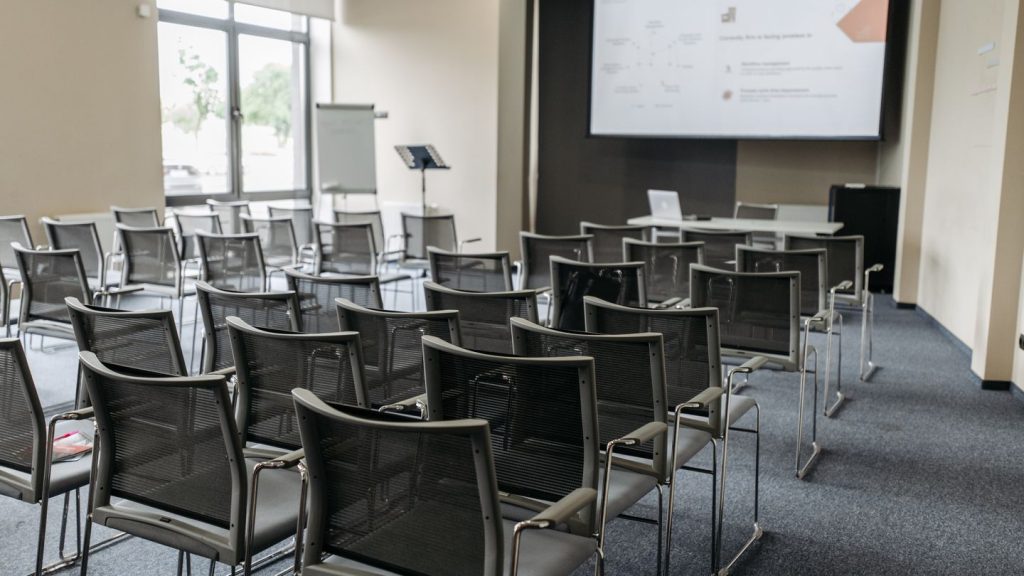
Eighty people are coming to a workshop. Each will need space for a laptop and a workbook. Imagine a new hotel events coordinator opening a draft proposal that offers a room for a hundred. The date is right, the room is free and the price matches the rate sheet. Would you let the coordinator send it?
I would want to hear one question first. A hundred people sitting how? At the Charleston Marriott, for example, the hotel lists its Crystal A room for 100 in theater seating and 60 in a schoolroom layout. The figures are real. The proposal is hypothetical. A coordinator who checks only the number could leave twenty customers looking for somewhere to put their laptops. The hotel’s meeting-room capacity chart.
The banquet captain knows what the number leaves out
A manager who makes a new hire prepare every quote by hand can waste a good part of an afternoon. There is little to learn from copying the same cancellation terms into another document. Choosing the room is a different matter. Give the coordinator a floor plan and send them downstairs to help the banquet captain set the room for a workshop.
Once the tables are in place, the coordinator can walk to the last row and see what the person sitting there will see. If the facilitator also wants a table at the front, where does it go? That is a question the coordinator will remember to ask on the next sales call. I would happily let the software handle the cancellation terms.
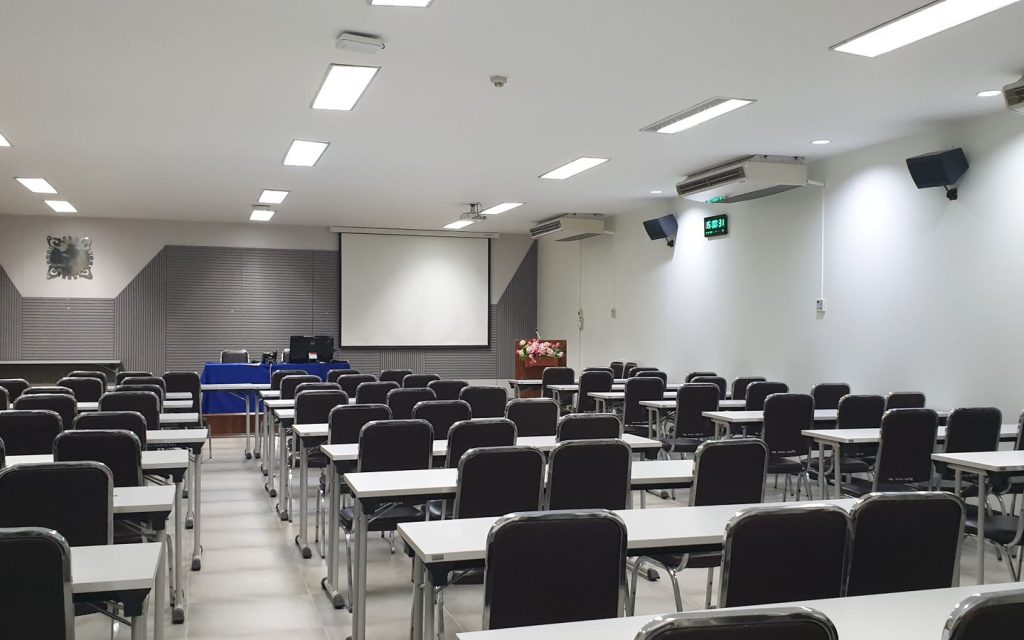
The cost of losing that exchange shows up well after a proposal has been marked complete. The client signs, sends the invitations and prints the agenda. Then the banquet captain reads the event order. By now the larger room may have been sold. An error a new hire could have caught with one question has become a conversation the general manager gets to have with a paying customer.
Let the new hire make the first choice
For the next new coordinator, I would keep two past inquiries with the customer details removed. Give the recruit one brief, the room plans and the capacity charts. Before opening a generated proposal, ask them to choose a room and mark the line in the brief that decided it. If the client has left something out, the coordinator can write down what they would ask. Calling the client to clarify a requirement is a perfectly good sales decision.

Then bring in the banquet captain. Have the coordinator explain why the smaller room will or will not work. Now open the software’s recommendation together. Give them time to work through a disagreement. The recruit may have overlooked a suitable room. The software may have overlooked the tables. In either case, someone has to go back to the plan and settle it.
In a field experiment with nearly a thousand high school math students in Turkey, students using a basic AI tutor did better during practice than peers working without it. On a subsequent unassisted exam, their grades averaged 17% lower than the comparison group’s. A tutor designed to offer hints largely removed that penalty. Bastani and colleagues’ study in PNAS.
Those students were learning mathematics. For a hotel manager, the practical point is about what to measure. A clean proposal sent on time tells the director that the client received a good document. It tells her very little about who caught the mistake, or who will catch it next time.
Put the practice on the roster
The sales director has a fair objection. A client asking several hotels for space is unlikely to wait while a trainee works through an exercise. Use yesterday’s inquiries for practice and give someone on duty responsibility for today’s replies. The director who wants an experienced banquet captain to spend half an hour teaching has to put that half hour on both schedules.
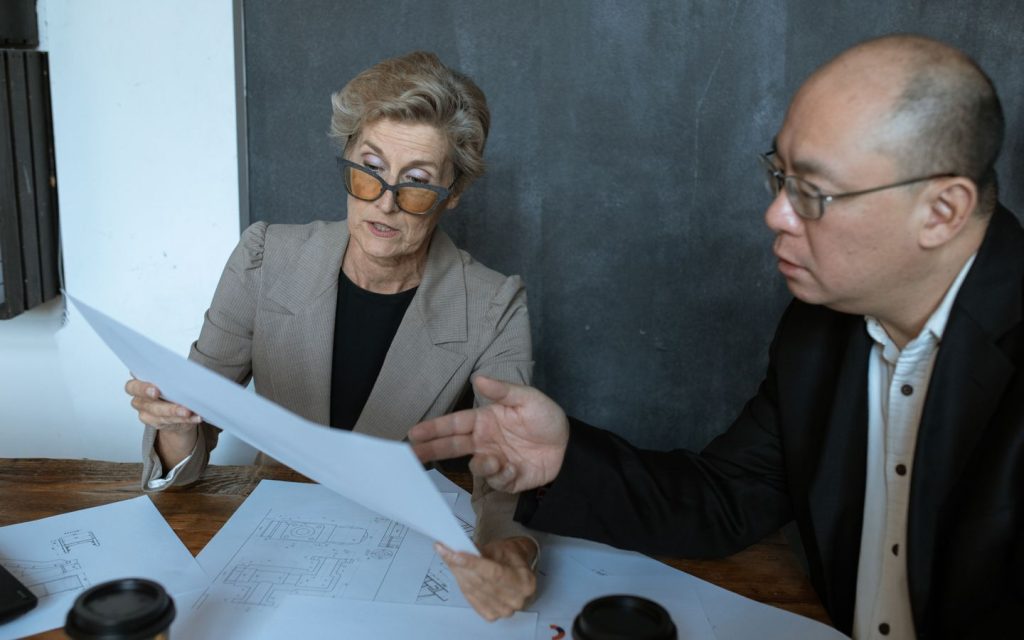
For the second inquiry, change the brief. The customer still expects eighty people but now wants them in small groups, facing each other. Someone who has memorized the answer about classroom seating has more work to do. Someone ready to handle the booking will ask how many people belong at each table and check which layout the hotel can actually deliver.
Let the new hire send a proposal independently when they can explain which promise they would take out of a plausible draft, and why. I care rather less whether they can produce the first version quickly. The hotel already bought software for that.