
For decades, U.S. intercity passenger rail has lived in a paradox: a globally competitive product on a handful of corridors (hello Northeast Corridor), and a fragile, delay-prone experience almost everywhere else—largely because passenger trains share constrained infrastructure with freight, and because “state of good repair” got deferred too long.
That’s changing—slowly, unevenly, but materially. Over the last five years, the U.S. has stacked three forces on top of each other:
- Unprecedented federal rail funding (and new program structures) under the Infrastructure Investment and Jobs Act / Bipartisan Infrastructure Law (IIJA/BIL).
- A corridor-centric strategy (Corridor ID) designed to turn “nice ideas” into bankable, phased intercity rail programs.
- A long-overdue fleet refresh that starts to modernize the customer experience at scale (NextGen Acela, Airo—and more to come).
This article looks back at the most important initiatives of the past five years—and, more importantly, what the next ten years could deliver if the U.S. executes on the hard parts: infrastructure, dispatching, maintenance facilities, and operating models.
Table of contents
- Why this is happening now
- The fleet revolution: new trains as a “confidence signal”
- Corridors, not slogans: the program machinery that matters
- The Northeast Corridor: megaprojects that unlock reliability
- State corridors: the quiet winners (Midwest, Southeast, Virginia)
- Private intercity rail: Brightline (Florida + West)
- True high-speed rail: California’s long arc
- Customer experience: what “modern rail” actually means
- What could still derail the rail comeback
- The 10-year outlook (2026–2036): what a realistic win looks like
Why this is happening now
The IIJA/BIL created a funding environment passenger rail advocates have been chasing for decades: multi-year, programmatic money at a national scale. But money alone isn’t the story. The bigger shift is structural: the U.S. is moving from “one-off projects” to “corridor development” as the unit of delivery—where service plans, capital packages, phased upgrades, and operating agreements get developed together.
In plain terms: the U.S. is building the bureaucracy and financing rails needed to behave (a bit more) like countries that routinely deliver incremental upgrades into a coherent network.
The fleet revolution: new trains as a “confidence signal”
Rail is one of the rare transport sectors where the hardware is part of the trust contract. Riders don’t read grant announcements. They notice:
- whether the seats are ergonomic
- whether the restrooms are usable (and accessible)
- whether power outlets and lighting work
- whether the train feels like it belongs in this decade
NextGen Acela: modernizing the flagship
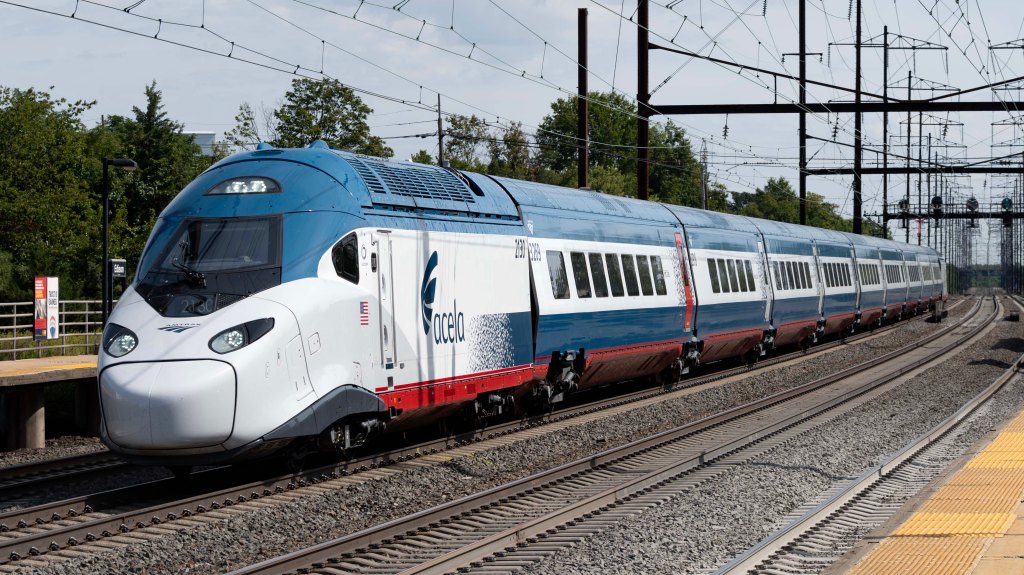
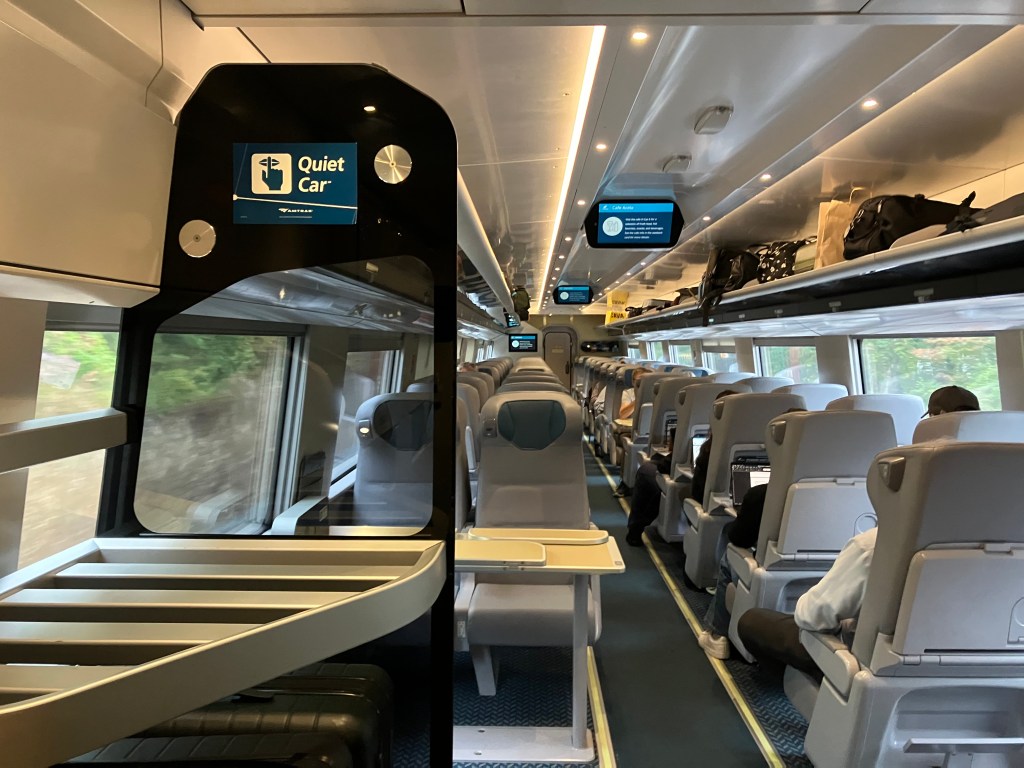
Amtrak’s high-speed brand is being refreshed through the NextGen Acela program—new trainsets, higher capacity, and a more modern onboard experience on the Northeast Corridor. It’s a foundational upgrade to the corridor’s premium offer and an important signal that Amtrak intends to keep growing NEC ridership against air and car alternatives.
Airo: the “regional train” finally becomes a product
The most consequential fleet story for the broader network is Amtrak Airo: a large-scale replacement of aging equipment with trains designed around modern accessibility, better interiors, and a calmer, more ergonomic experience.
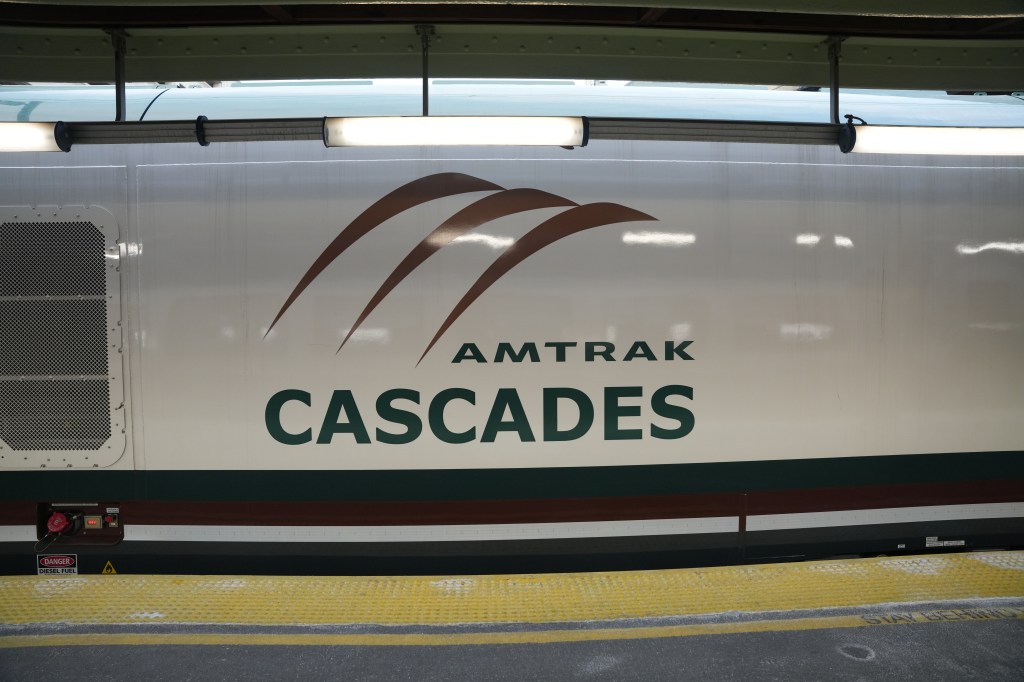
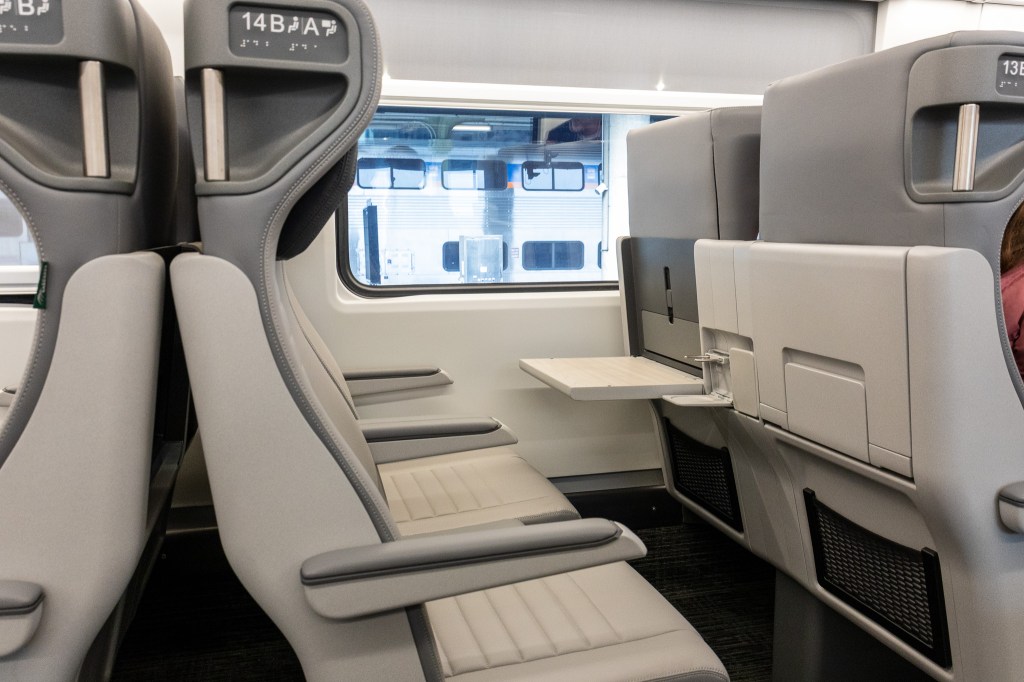
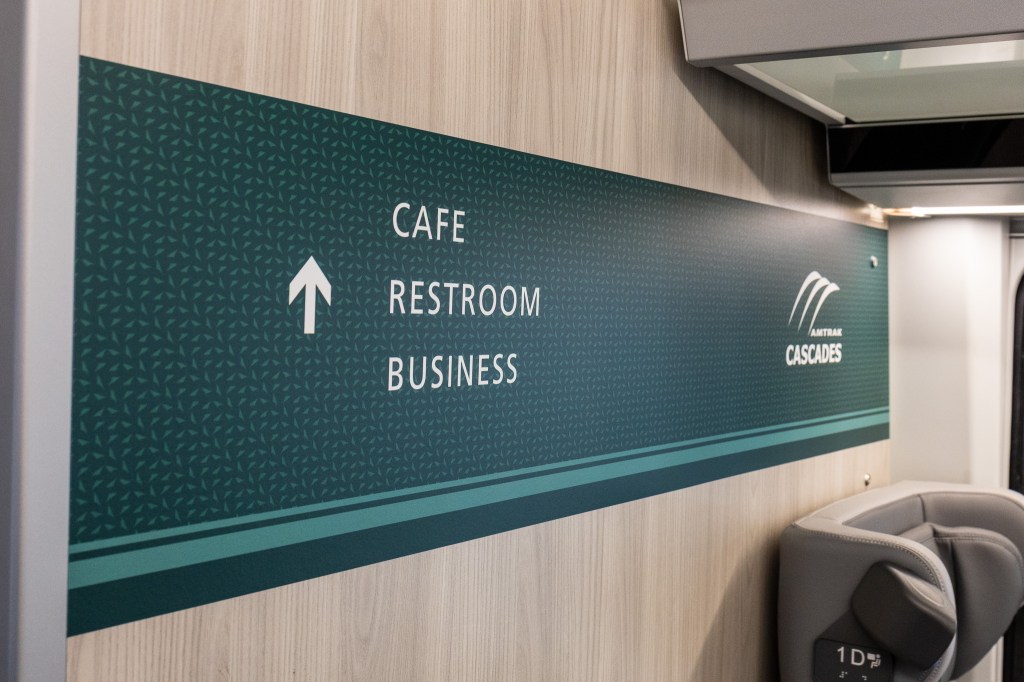
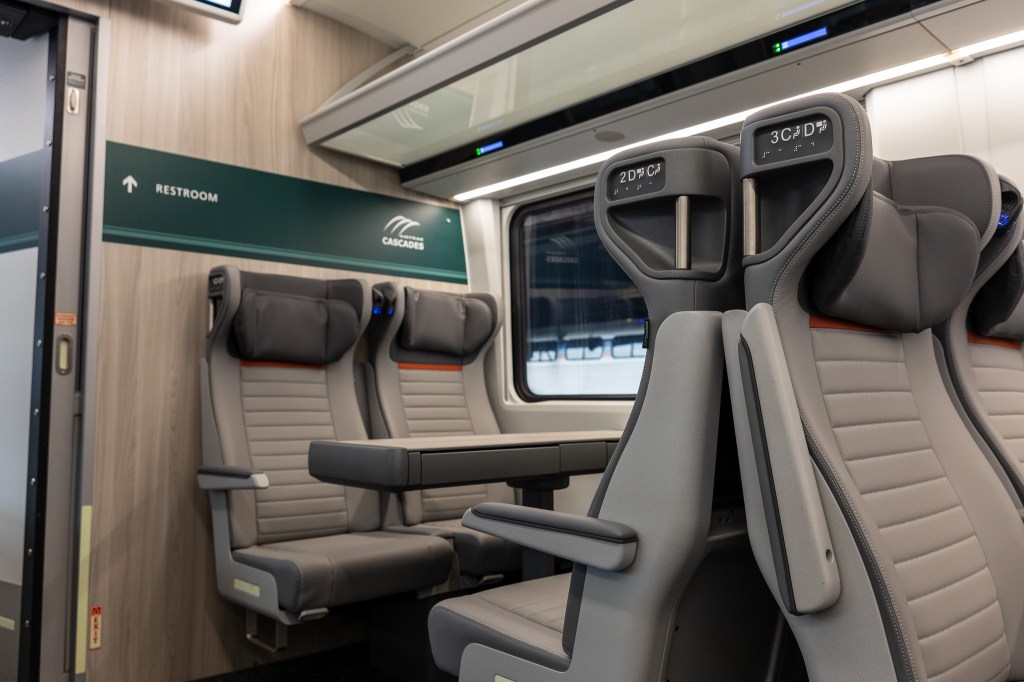
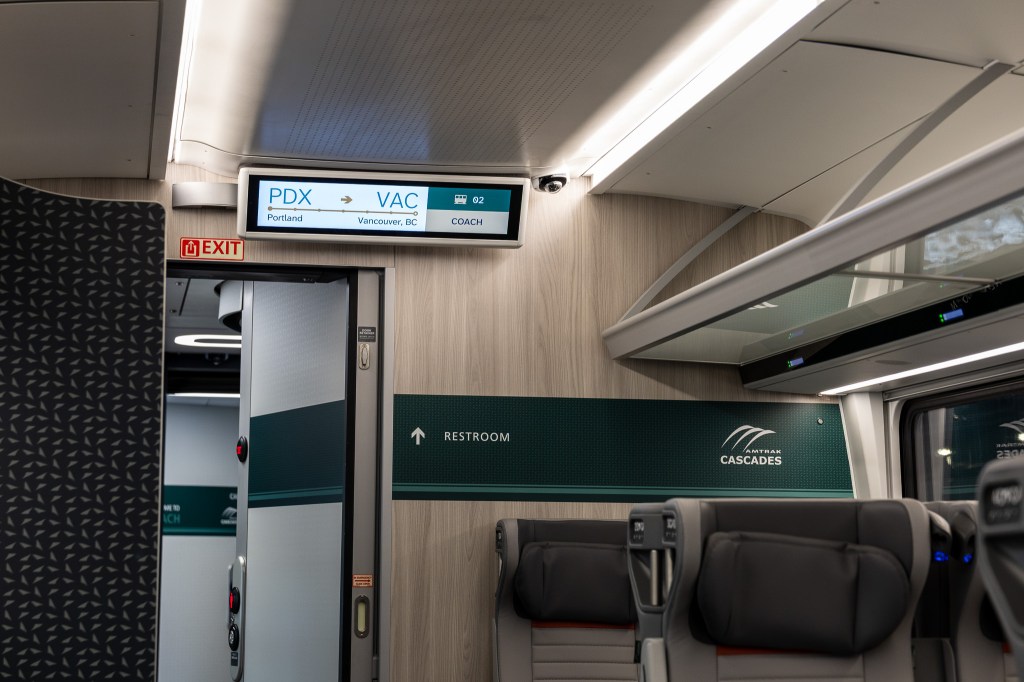
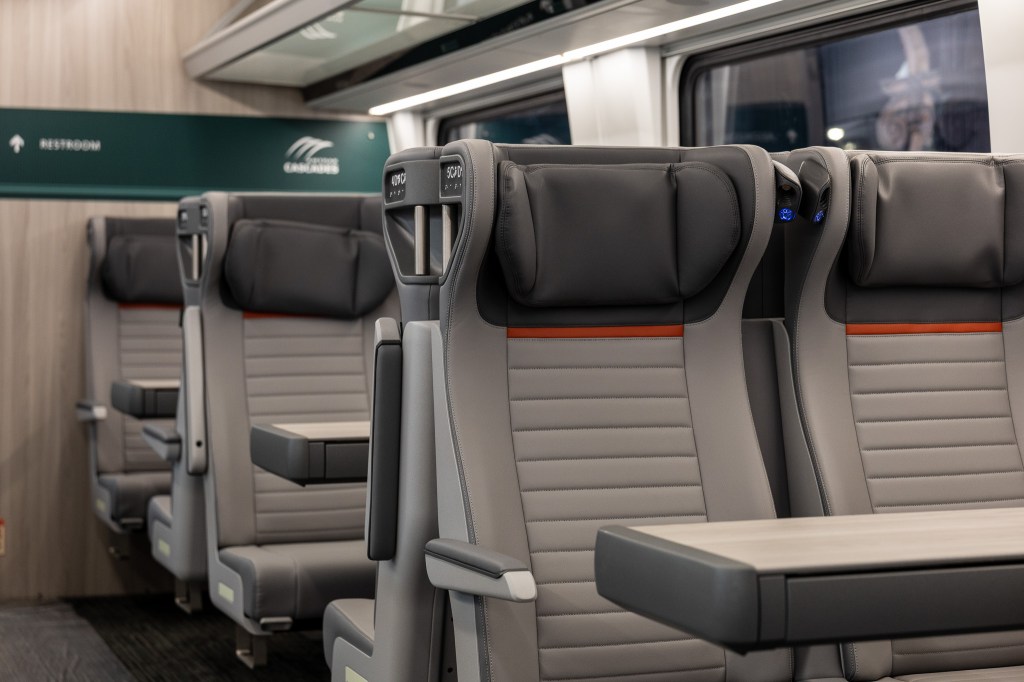
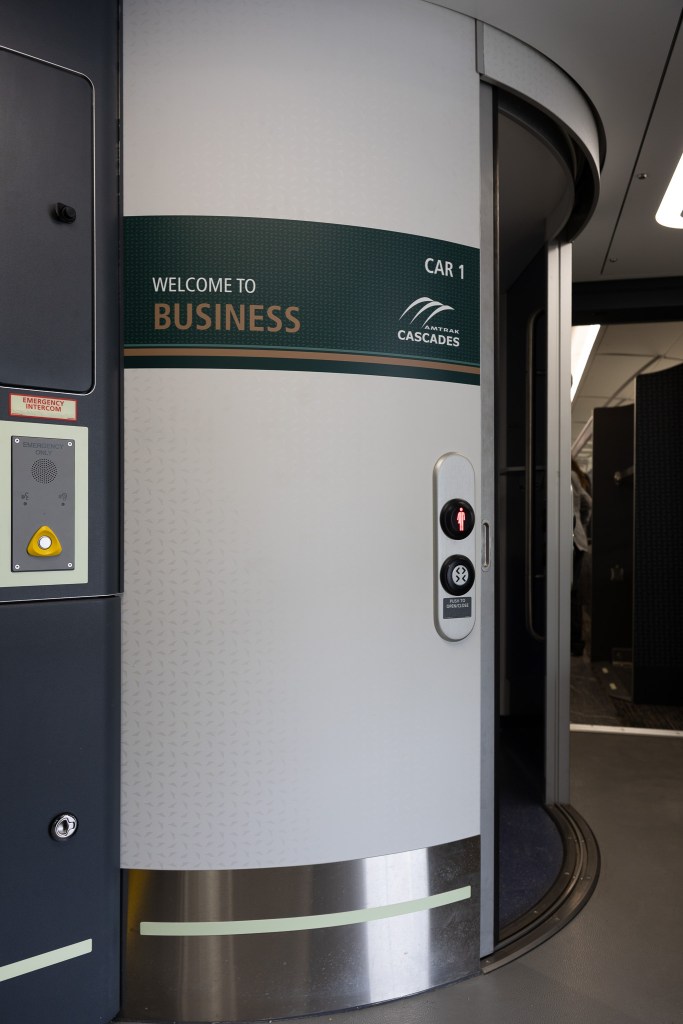
Based on the recent public previews and reporting, Amtrak plans to roll out Airo service starting with the Cascades in the Pacific Northwest, then expand across corridors from North Carolina to Maine, with plans to integrate Airo into Northeast Regional service by 2027. The details that matter are not “luxury”—they are the basics executed well: reliable power, thoughtful tray design, spacious and touchless restrooms, and accessibility integrated into the experience rather than bolted on.
Strategic point: Fleet modernization does two things at once: it improves the experience and strengthens the political and financial case for infrastructure upgrades. Trains are visible proof that rail investment isn’t theoretical.
Corridors, not slogans: the program machinery that matters
Corridor development is unglamorous—but it’s the “operating system” for passenger rail expansion. Over the past five years, the U.S. has pushed toward a model where corridors are advanced as programs: early-stage planning and governance, then incremental infrastructure and service upgrades, then repeat. This is how you get from “we should have trains” to “here is a credible service plan, capital plan, phasing, and operating agreement.”
Why it matters: the U.S. historically struggled with a missing middle—projects were either too early to fund or too under-defined to execute. A corridor-based pipeline is meant to standardize the path from concept into delivery.
The Northeast Corridor: megaprojects that unlock reliability
The NEC is where intercity rail already competes with air on door-to-door time for many city pairs. But the NEC is also the most fragile: century-old tunnels, bridge bottlenecks, constrained capacity, and cascading delays that ripple across the whole system.
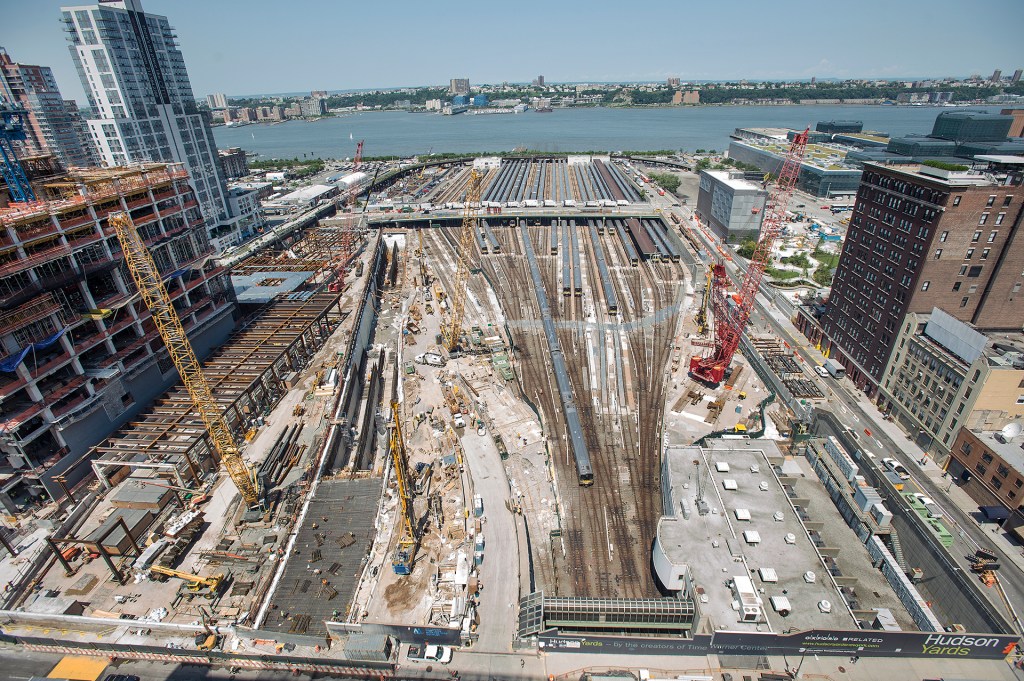
Hudson River tunnel capacity: the single biggest choke point
New York–New Jersey rail capacity (and resilience) hinges on adding and modernizing tunnel capacity under the Hudson River. This is not just a New York project; it is a Northeast economy project. In reliability terms, it’s the difference between a resilient network and a network where one aging asset can trigger region-wide disruption.
Baltimore tunnel replacement: speed + resilience
Baltimore’s long-standing tunnel constraints are another classic “small geography, huge impact” problem. Tunnel replacement and alignment improvements are the kind of infrastructure that riders don’t celebrate—but that quietly make the timetable trustworthy.
What these projects really do: they don’t just shave minutes. They reduce cascading delays—turning rail from “sometimes great” into “predictably reliable,” which is what converts car and short-haul air demand.
State corridors: the quiet winners (Midwest, Southeast, Virginia)
If the NEC is the flagship, the real volume story is in state-supported corridors: incremental frequency, improved schedules, and better stations—often at modest top speeds (79–110 mph) but with strong door-to-door competitiveness.
Midwest: “more trains” is the killer feature
One of the smartest corridor tactics is simply adding useful frequency on routes where demand already exists. A second daily round trip can change a corridor from “nice idea” to “practical default,” especially for business travel, weekend travel, and students.
Virginia: a blueprint for passenger rail expansion on shared tracks
Virginia has demonstrated a pragmatic model: invest in capacity, negotiate operating realities, and deliver incremental service improvements without waiting for a moonshot high-speed program. It’s not glamorous, but it’s how you build ridership—trip by trip, timetable by timetable.
Southeast Corridor: the Raleigh–Richmond logic
The Raleigh–Richmond market (and broader Southeast corridor) is one of the most strategically logical intercity rail plays in the U.S.: population growth, highway congestion, and short-haul air friction create the conditions where reliable rail can win—if the corridor is treated as a program, not a press release.
Private intercity rail: Brightline (Florida + West)
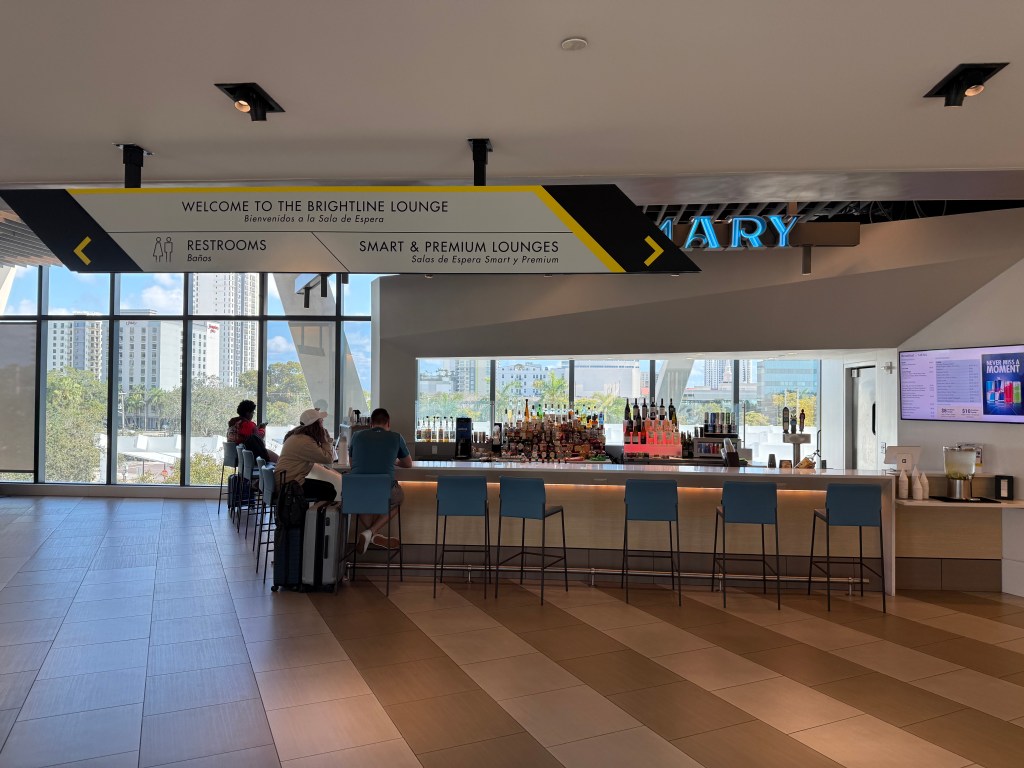
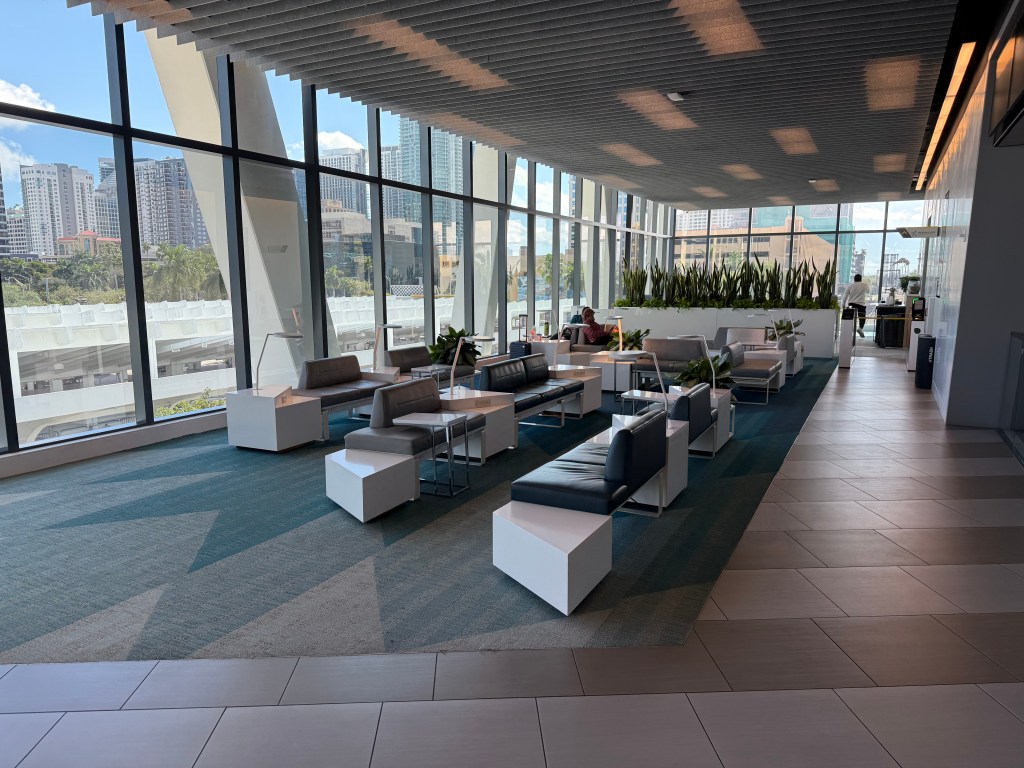
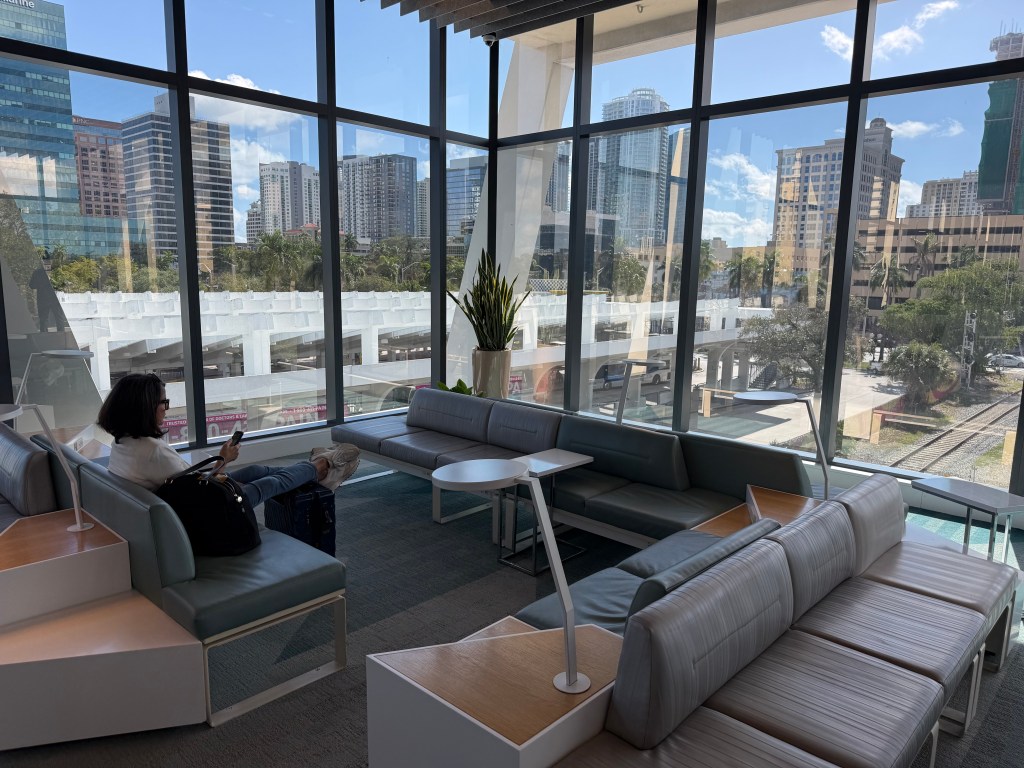
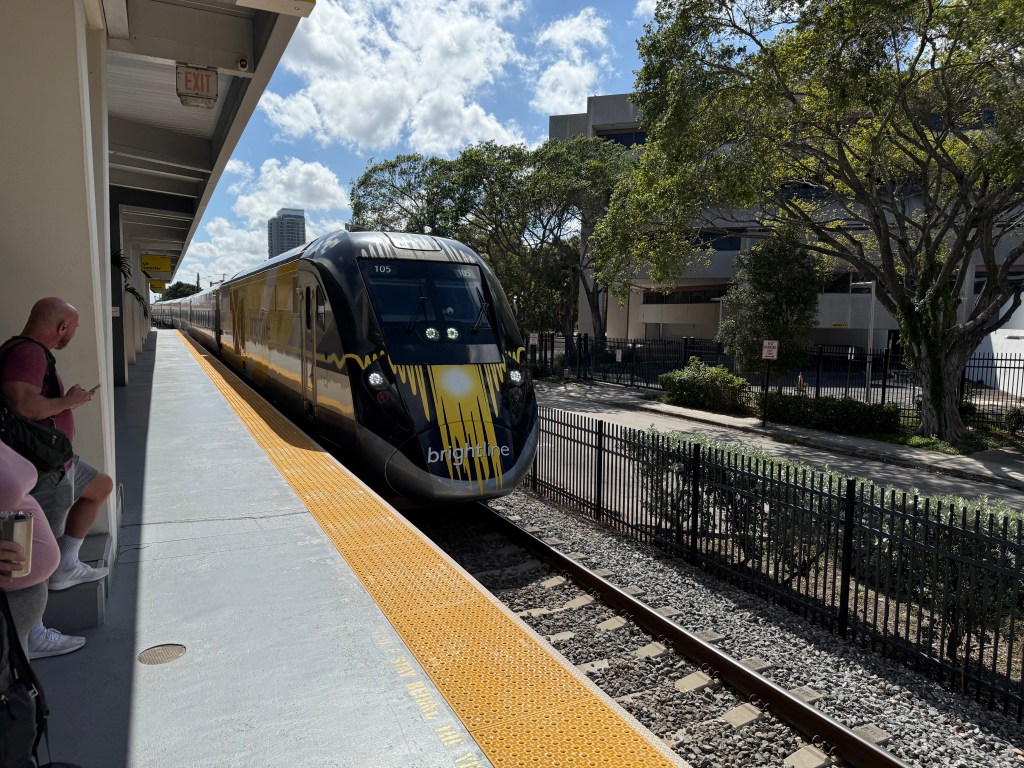
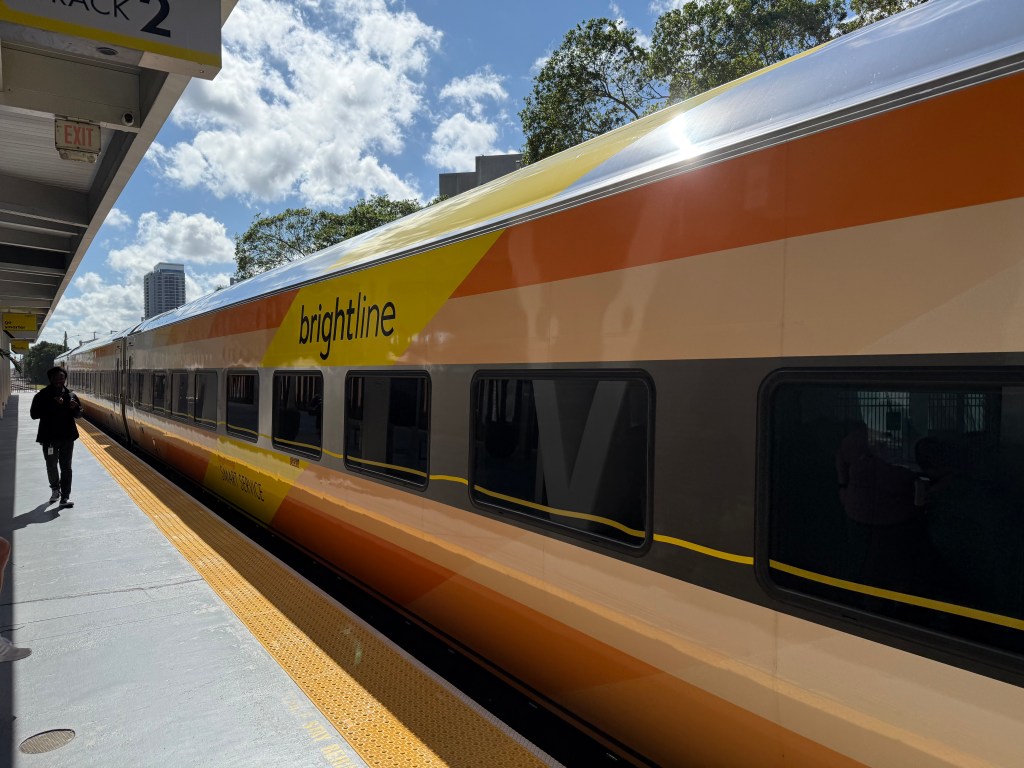
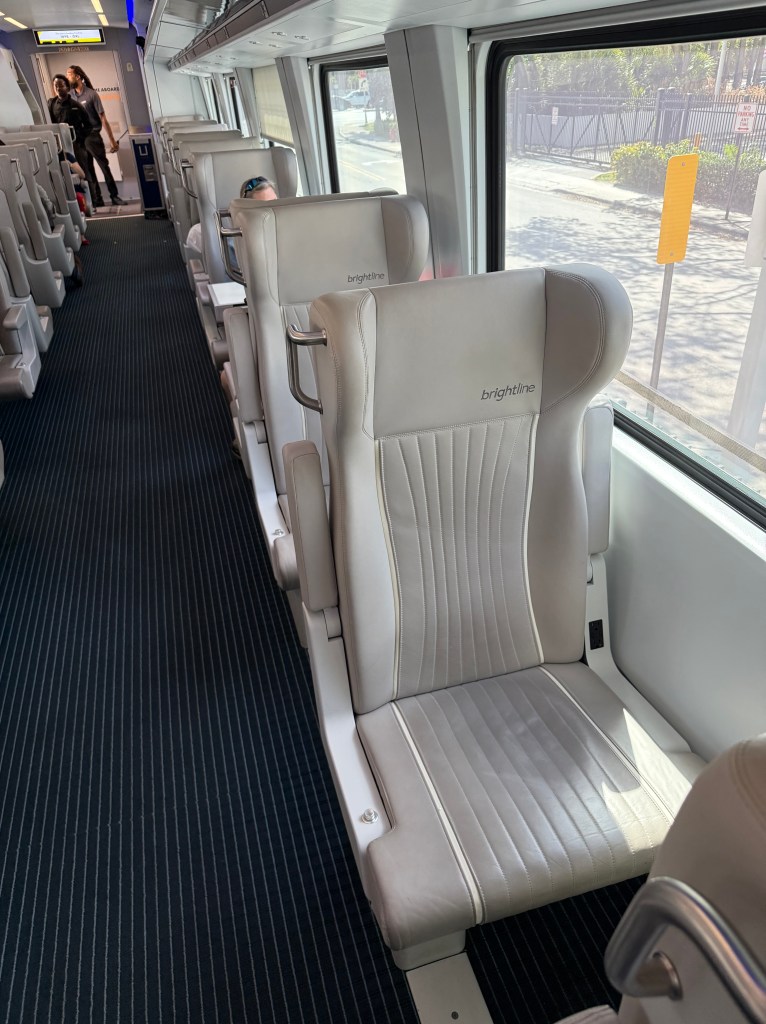
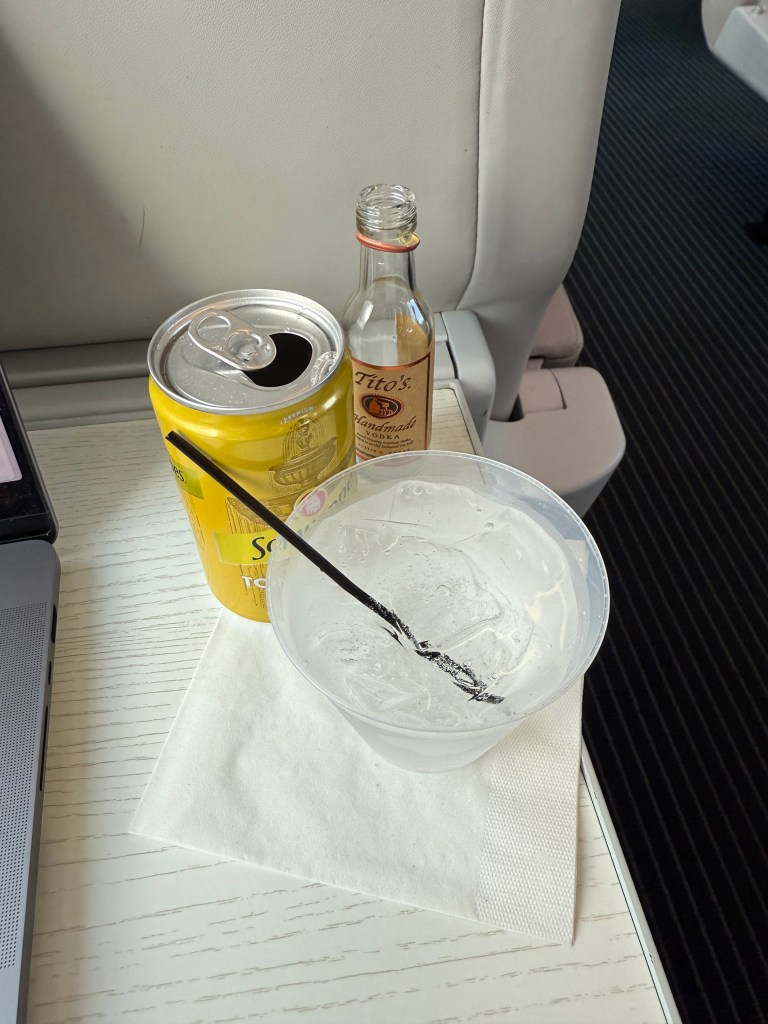
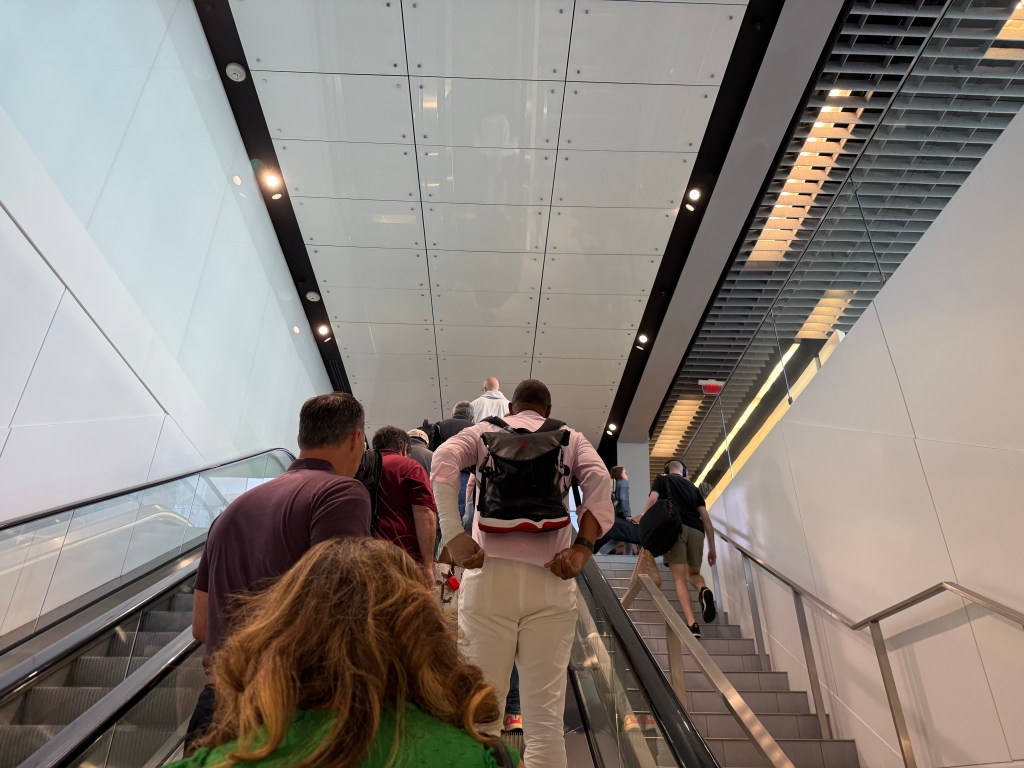
Brightline matters because it proves there is U.S. consumer willingness to adopt modern intercity rail when the product is easy to use and reasonably frequent. It also shows the power of good stations, clear branding, and a travel experience that feels designed rather than inherited.
Florida: Miami–Orlando as a real mode-shift experiment
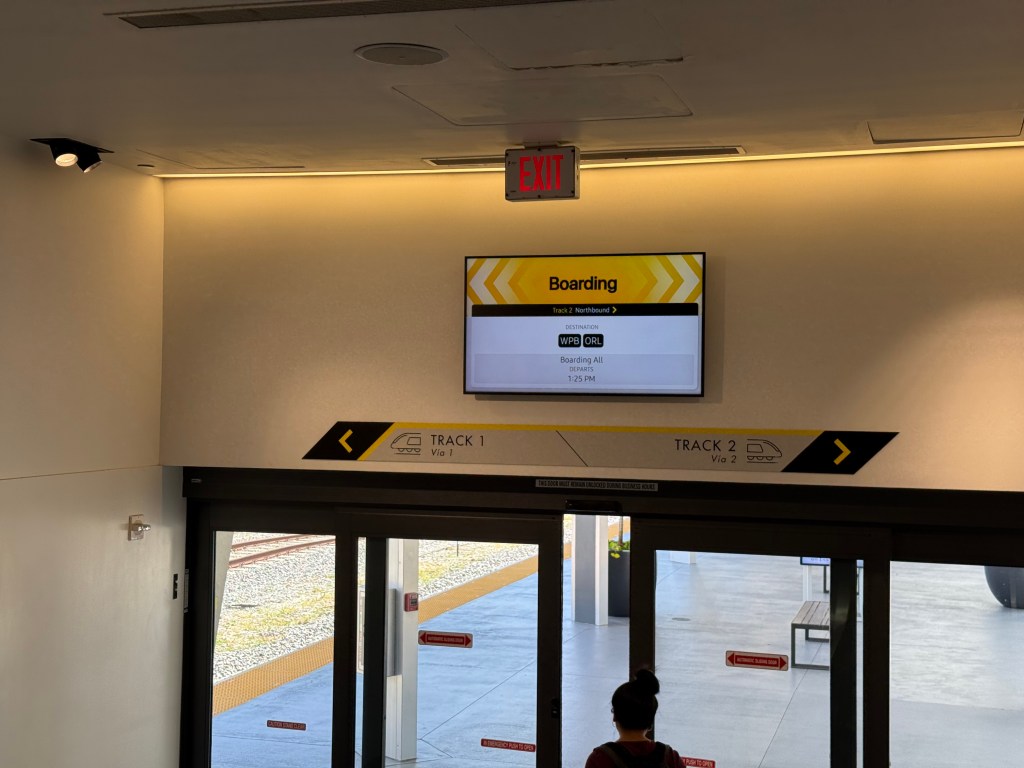
Florida demonstrates what happens when intercity rail is treated as a mainstream product: clear schedules, clear stations, and a service cadence that makes the train a “default option” rather than a special occasion.
Brightline West: the highest-profile “new-build” intercity project
Brightline West (Las Vegas to Southern California) is the most visible attempt to deliver a new high-speed-ish intercity corridor outside the NEC. If execution holds, it could become a national proof point for new-build delivery—especially on a market where driving is painful and flying is short but inefficient door-to-door.
True high-speed rail: California’s long arc
California’s high-speed rail effort remains the most ambitious U.S. attempt at true HSR scale. Progress is real—but so are structural challenges of cost, governance, right-of-way complexity, and sustained funding. Whether it becomes the backbone of a statewide network or a high-quality “initial segment” depends on the next decade’s delivery discipline.
Regardless of the final form, California is already functioning as a national learning program for American HSR delivery: procurement, labor, environmental clearance, utility relocation, and complex civil works at scale.
Customer experience: what “modern rail” actually means
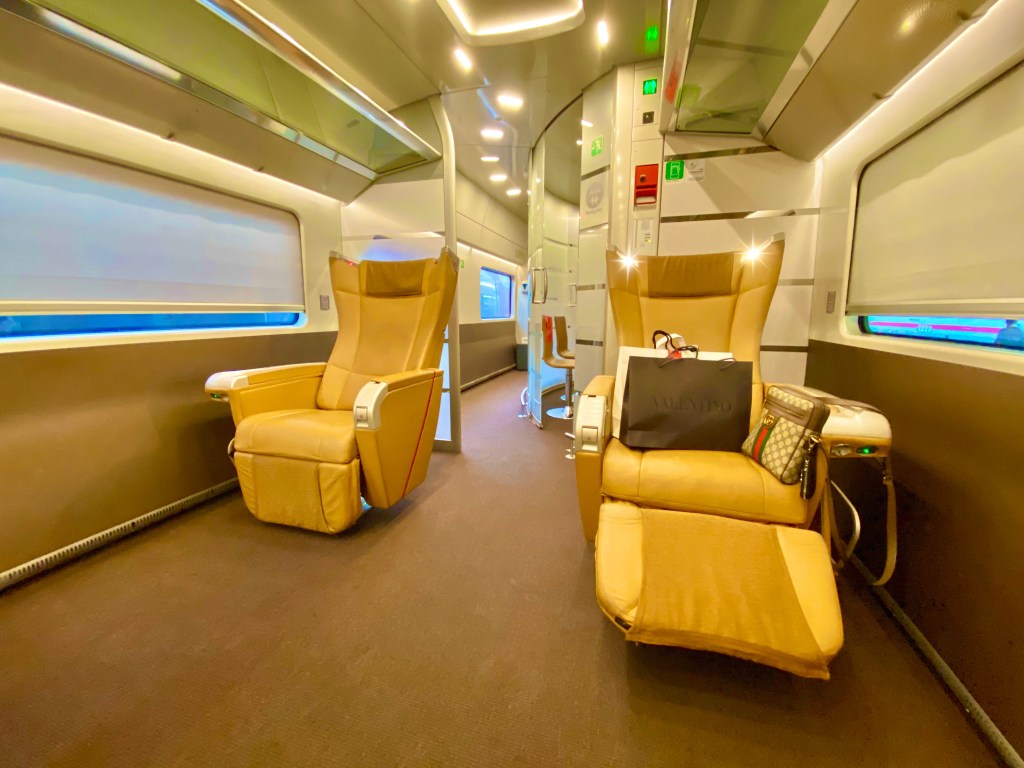
“Better trains” is not just speed. It’s a bundle of reliability + comfort + accessibility. The new generation of intercity rolling stock is pushing toward a baseline that travelers increasingly consider non-negotiable:
- Accessible boarding and interiors designed for real mobility needs
- Modern restrooms that are touchless, spacious, and usable (including family needs)
- Seat-level power, lighting, and work-friendly tray solutions
- Clear wayfinding and calmer interior design choices
- Operational consistency (the same experience on Tuesday as on Saturday)
This is how rail wins back travelers from cars and short-haul flights: not by being “cool,” but by being dependable, comfortable, and human-centered.
What could still derail the rail comeback
This is the part most “rail renaissance” narratives underweight: rail’s constraints are operational and institutional as much as they’re financial.
1) Infrastructure is necessary but not sufficient
Without dispatching priority (or at least enforceable on-time performance regimes) on shared freight corridors, new trains will still sit behind long freights. Track upgrades must come with operating agreements that protect passenger reliability.
2) Maintenance facilities and workforce readiness
New fleets require upgraded maintenance bases, parts supply chains, and technician pipelines. If facilities lag, availability collapses and “new trains” become “stored trains.”
3) Funding continuity and political volatility
Multi-year rail programs need multi-year political commitment. Stop-and-go funding adds cost, delays, and contractor risk premiums—exactly the opposite of what rail needs.
4) Station experience and first/last-mile integration
Intercity rail wins when the station is an asset (central, safe, connected). It loses when stations are peripheral, unpleasant, or disconnected from local mobility.
The 10-year outlook (2026–2036): what a realistic win looks like
Let’s define “win” in a way that matches how transportation systems actually shift behavior.
What success likely looks like by the mid-2030s
- Northeast Corridor reliability step-change through tunnel and key segment renewals (Hudson + Baltimore region), enabling tighter schedules and higher frequency.
- Fleet renewal at scale across multiple corridors, making “modern train” a default expectation rather than a novelty.
- 10–20 corridors upgraded into true “frequency networks” with more daily round trips and better span of service.
- At least one headline new-build high-speed corridor outside the NEC becoming operational or meaningfully de-risked (Brightline West and/or a California initial segment).
- More state-led wins where 90–110 mph + frequency beats 2-hour highway slogs.
The reachable prize
Make intercity rail the default choice in a growing set of 200–500 mile markets by combining frequency, reliability, and a modern onboard product—then let demand justify the next wave of upgrades.
Conclusion: a “new era of rail” is real—if the U.S. stays disciplined
The new trains are exciting not because they’re futuristic, but because they’re normal—normal for what intercity rail should feel like in 2026.
The next decade is where the U.S. either turns today’s funding moment into durable corridor systems—or repeats the historical cycle of big announcements, partial delivery, and degraded assets.
My take: the ingredients are finally on the table. The winners will be the corridors that combine (1) capital discipline, (2) operating agreements, (3) service frequency, and (4) customer experience that people actually want to repeat.
 Olivier Delestre-Levai