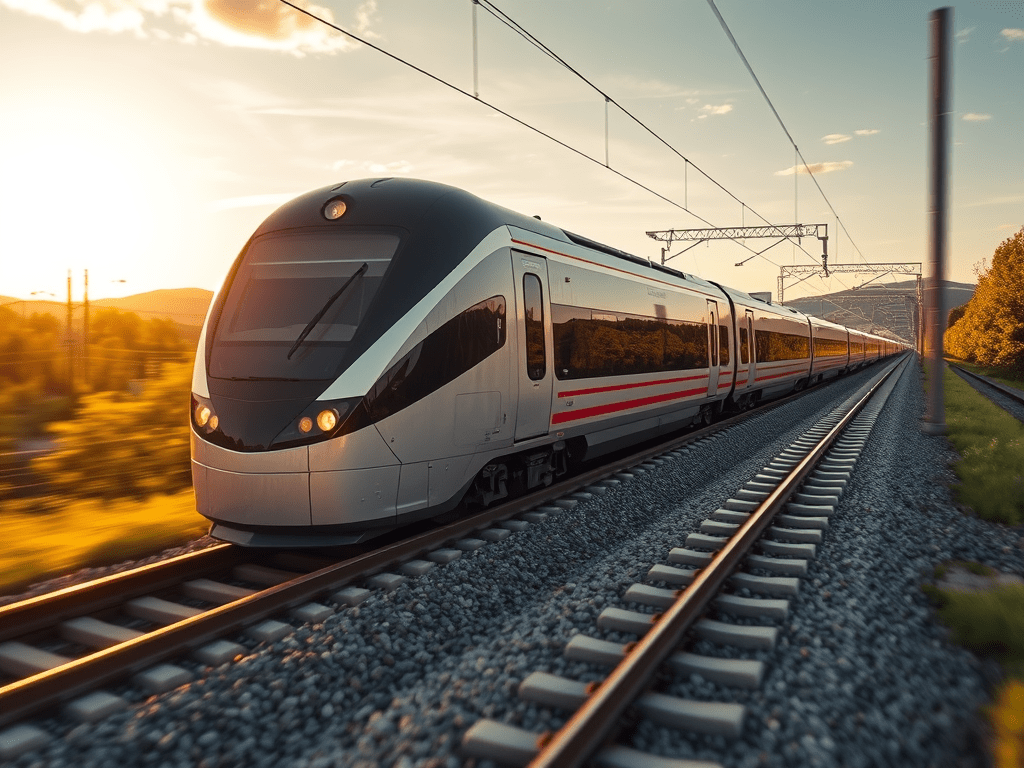
America Is Rebuilding Intercity Rail: Faster Trains, Better Corridors, and a New Decade of Reliability

For decades, U.S. intercity passenger rail has lived in a paradox: a globally competitive product on a handful of corridors (hello Northeast Corridor), and a fragile, delay-prone experience almost everywhere else—largely because passenger trains share constrained infrastructure with freight, and because “state of good repair” got deferred too long.

That’s changing—slowly, unevenly, but materially. Over the last five years, the U.S. has stacked three forces on top of each other:

  • Unprecedented federal rail funding (and new program structures) under the Infrastructure Investment and Jobs Act / Bipartisan Infrastructure Law (IIJA/BIL).
  • A corridor-centric strategy (Corridor ID) designed to turn “nice ideas” into bankable, phased intercity rail programs.
  • A long-overdue fleet refresh that starts to modernize the customer experience at scale (NextGen Acela, Airo—and more to come).

This article looks back at the most important initiatives of the past five years—and, more importantly, what the next ten years could deliver if the U.S. executes on the hard parts: infrastructure, dispatching, maintenance facilities, and operating models.


Table of contents


Why this is happening now

The IIJA/BIL created a funding environment passenger rail advocates have been chasing for decades: multi-year, programmatic money at a national scale. But money alone isn’t the story. The bigger shift is structural: the U.S. is moving from “one-off projects” to “corridor development” as the unit of delivery—where service plans, capital packages, phased upgrades, and operating agreements get developed together.

In plain terms: the U.S. is building the bureaucracy and financing rails needed to behave (a bit more) like countries that routinely deliver incremental upgrades into a coherent network.


The fleet revolution: new trains as a “confidence signal”

Rail is one of the rare transport sectors where the hardware is part of the trust contract. Riders don’t read grant announcements. They notice:

  • whether the seats are ergonomic
  • whether the restrooms are usable (and accessible)
  • whether power outlets and lighting work
  • whether the train feels like it belongs in this decade

NextGen Acela: modernizing the flagship

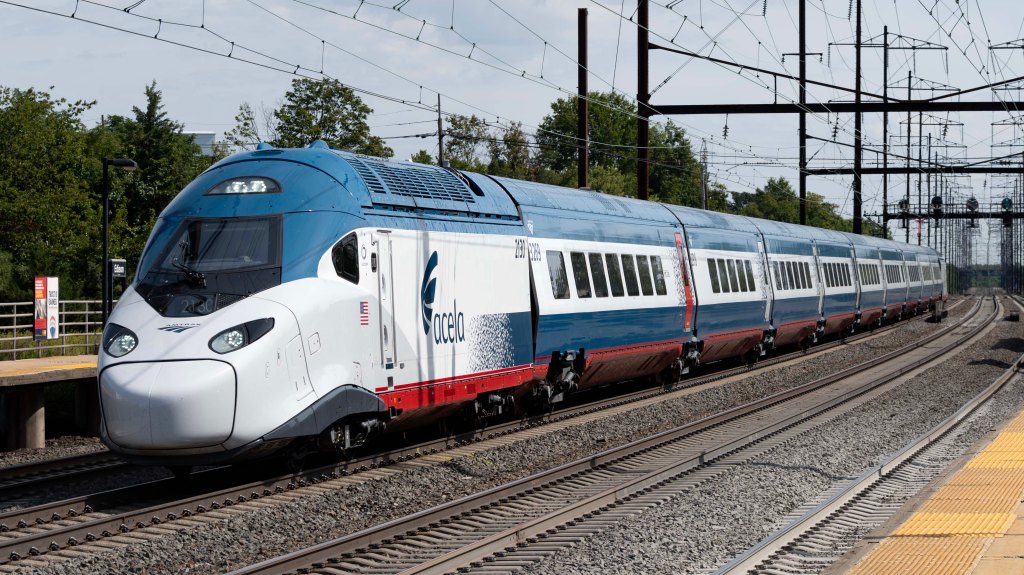
Amtrak’s high-speed brand is being refreshed through the NextGen Acela program—new trainsets, higher capacity, and a more modern onboard experience on the Northeast Corridor. It’s a foundational upgrade to the corridor’s premium offer and an important signal that Amtrak intends to keep growing NEC ridership against air and car alternatives.
Airo: the “regional train” finally becomes a product

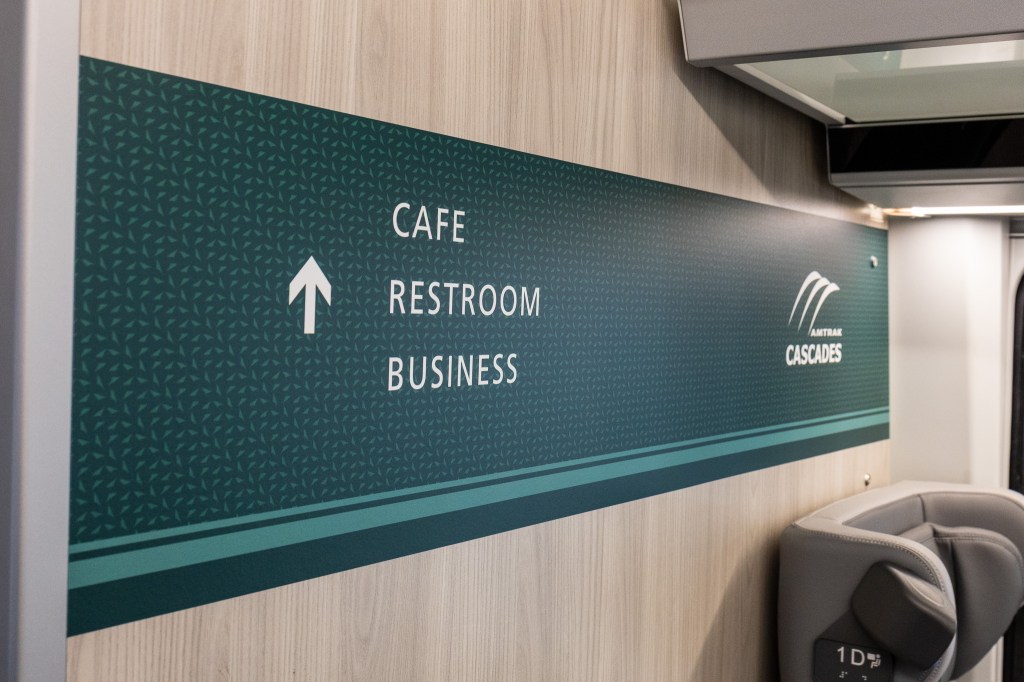
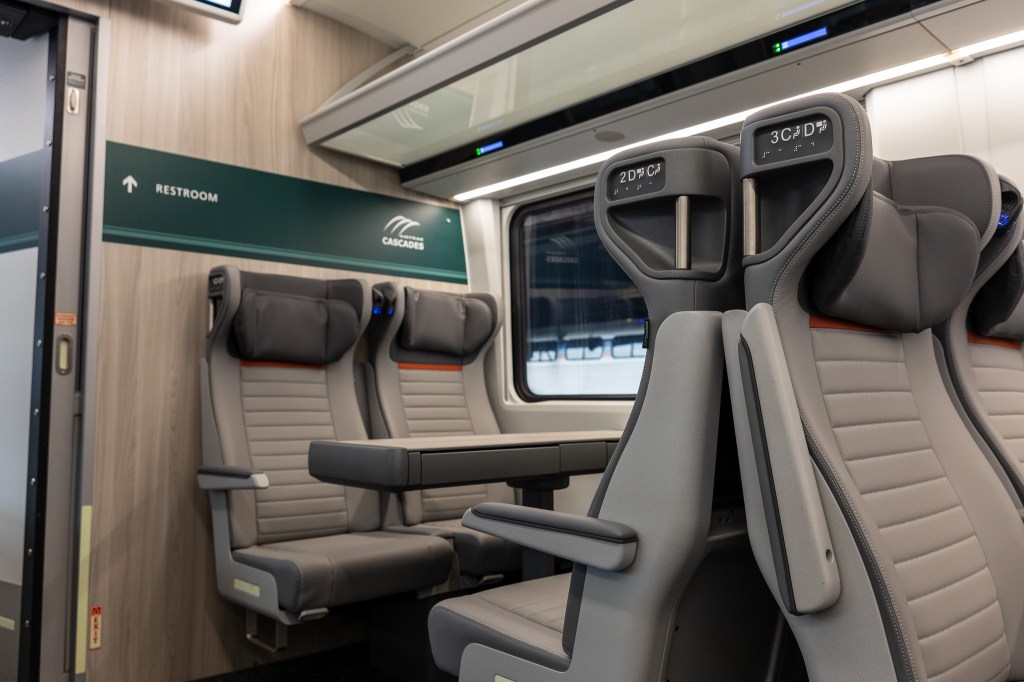
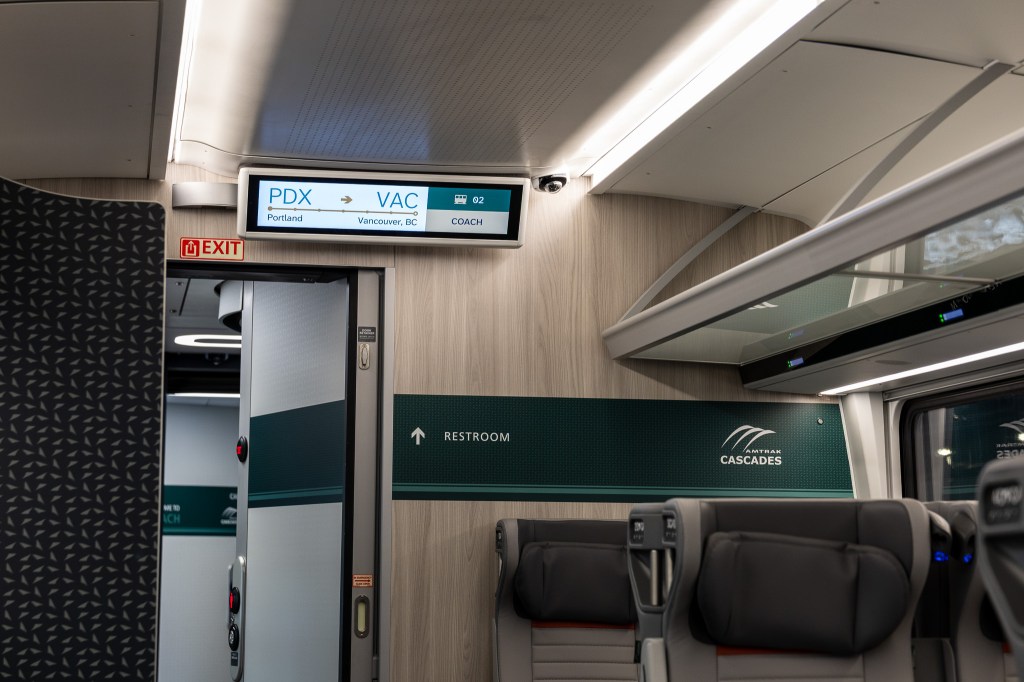
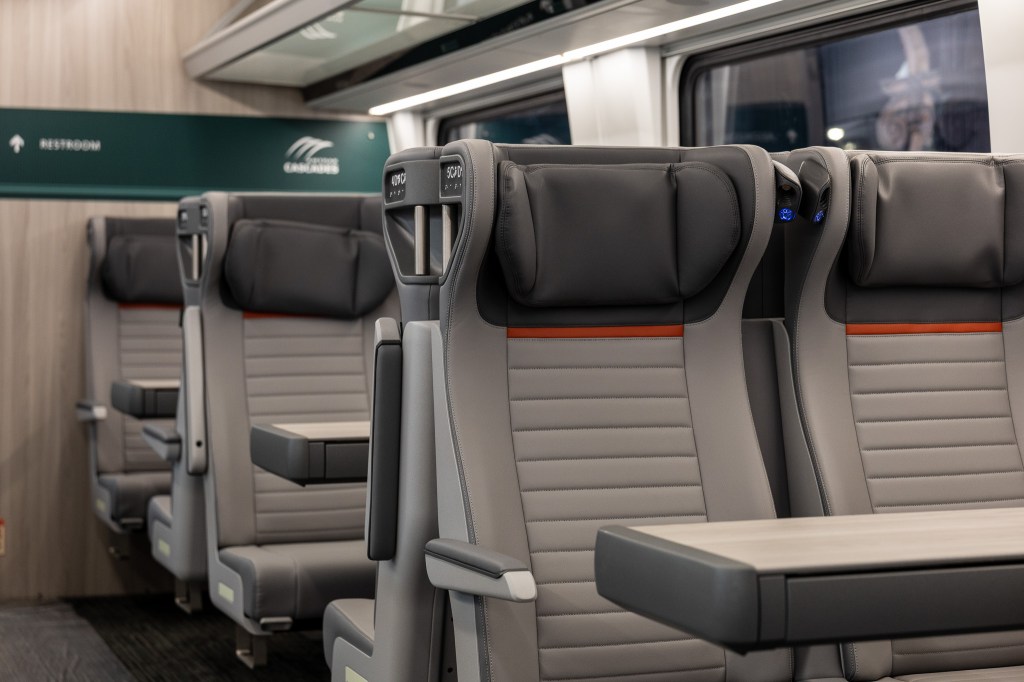
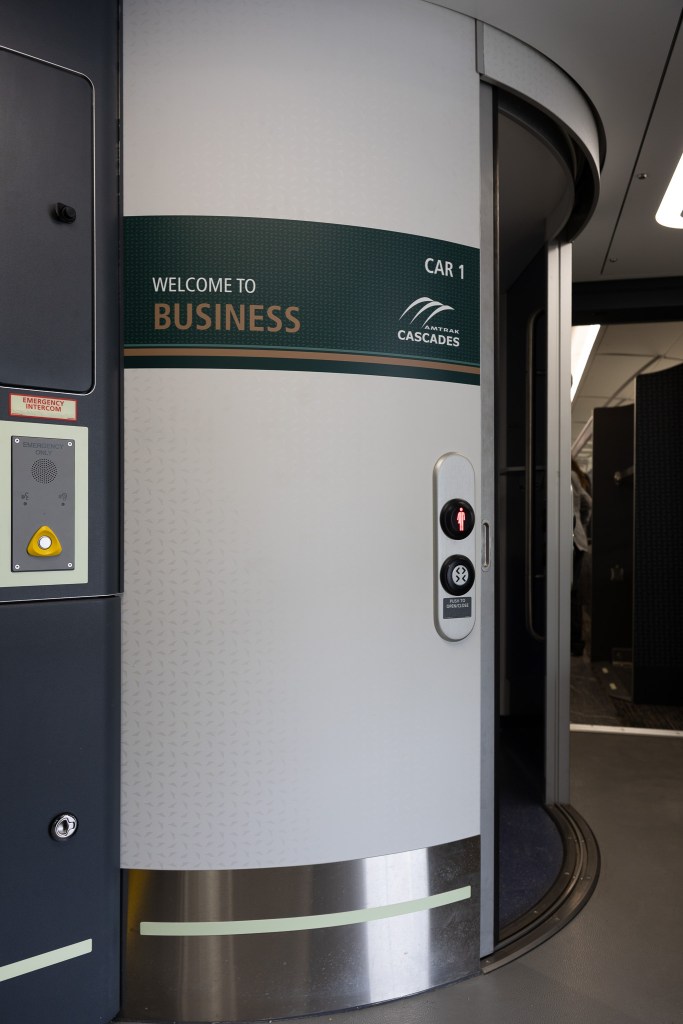
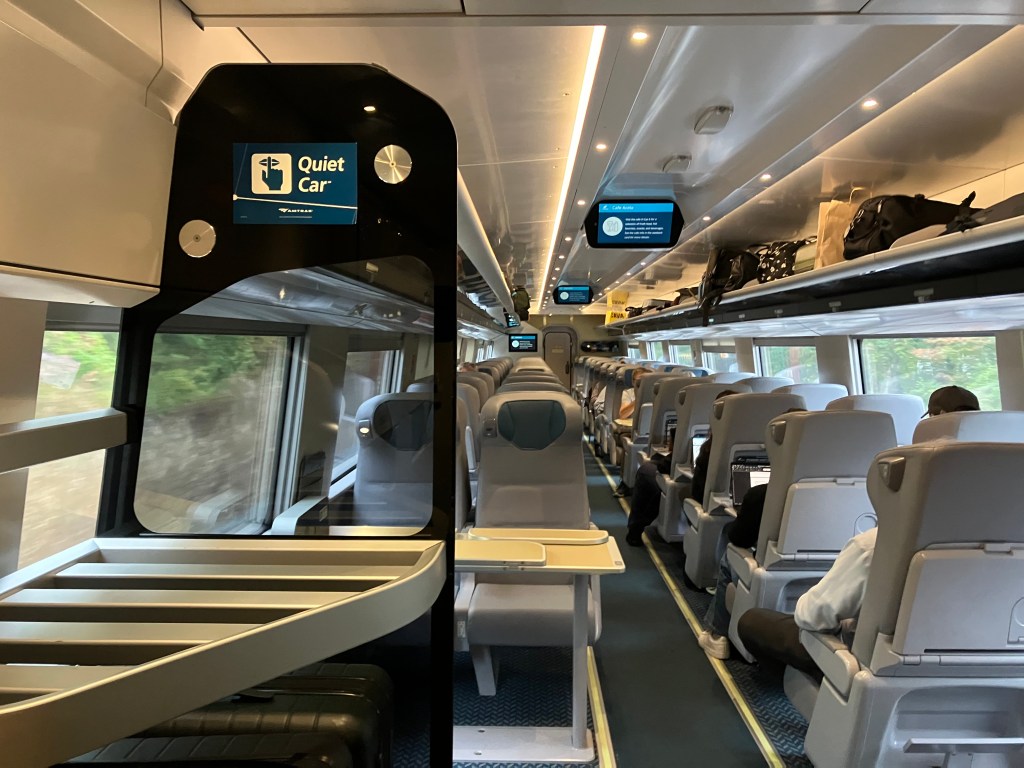
The most consequential fleet story for the broader network is Amtrak Airo: a large-scale replacement of aging equipment with trains designed around modern accessibility, better interiors, and a calmer, more ergonomic experience.
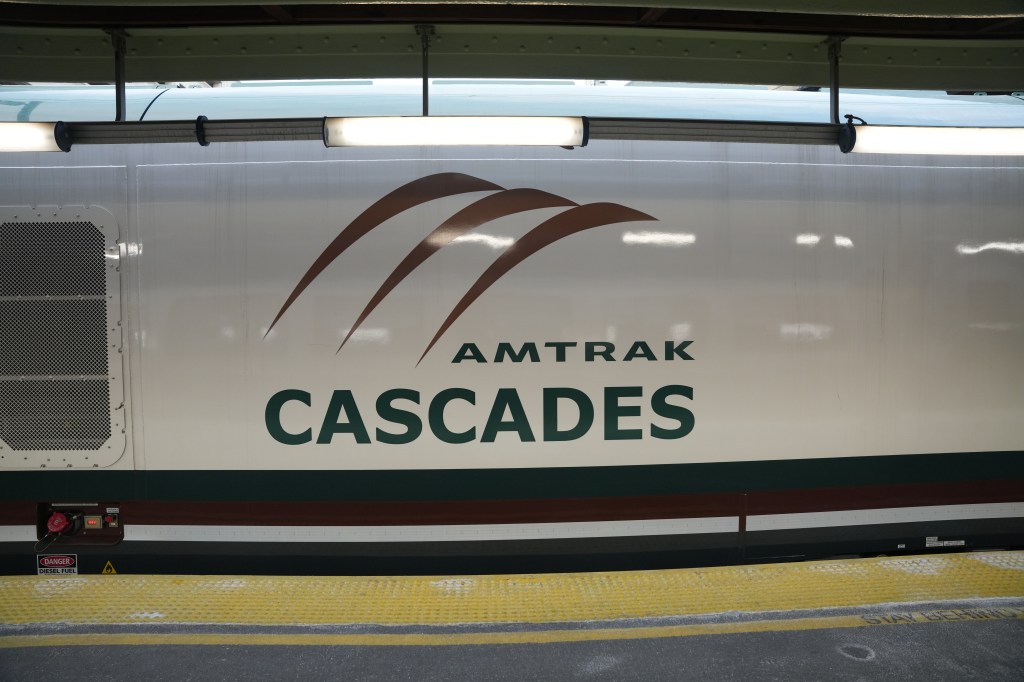
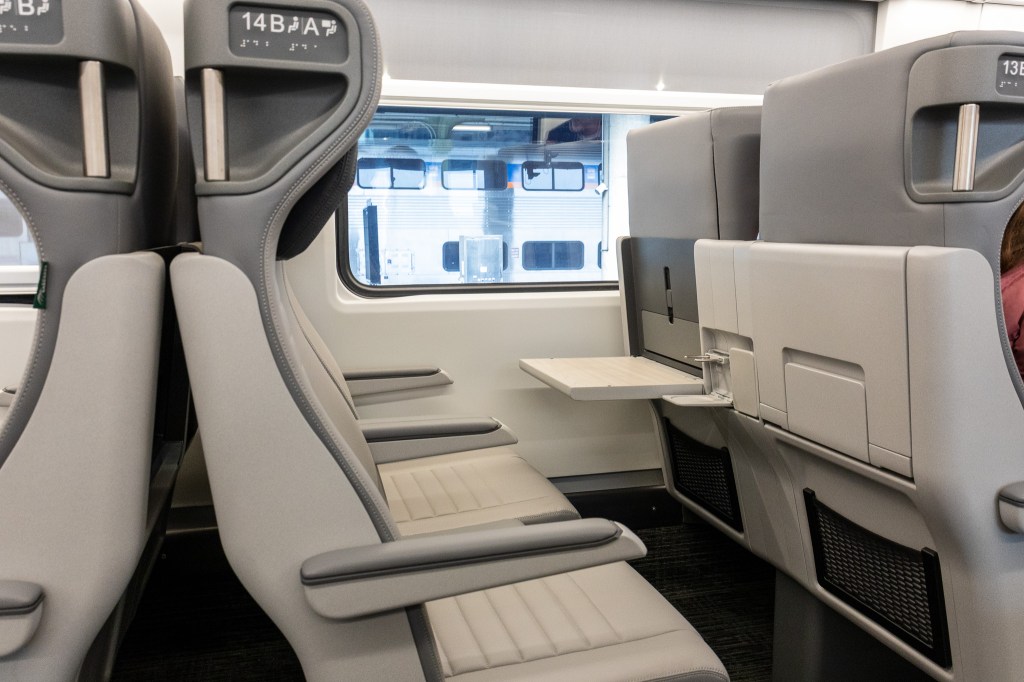
Based on the recent public previews and reporting, Amtrak plans to roll out Airo service starting with the Cascades in the Pacific Northwest, then expand across corridors from North Carolina to Maine, with plans to integrate Airo into Northeast Regional service by 2027. The details that matter are not “luxury”—they are the basics executed well: reliable power, thoughtful tray design, spacious and touchless restrooms, and accessibility integrated into the experience rather than bolted on.

Strategic point: Fleet modernization does two things at once: it improves the experience and strengthens the political and financial case for infrastructure upgrades. Trains are visible proof that rail investment isn’t theoretical.


Corridors, not slogans: the program machinery that matters

Corridor development is unglamorous—but it’s the “operating system” for passenger rail expansion. Over the past five years, the U.S. has pushed toward a model where corridors are advanced as programs: early-stage planning and governance, then incremental infrastructure and service upgrades, then repeat. This is how you get from “we should have trains” to “here is a credible service plan, capital plan, phasing, and operating agreement.”

Why it matters: the U.S. historically struggled with a missing middle—projects were either too early to fund or too under-defined to execute. A corridor-based pipeline is meant to standardize the path from concept into delivery.


The Northeast Corridor: megaprojects that unlock reliability

The NEC is where intercity rail already competes with air on door-to-door time for many city pairs. But the NEC is also the most fragile: century-old tunnels, bridge bottlenecks, constrained capacity, and cascading delays that ripple across the whole system.

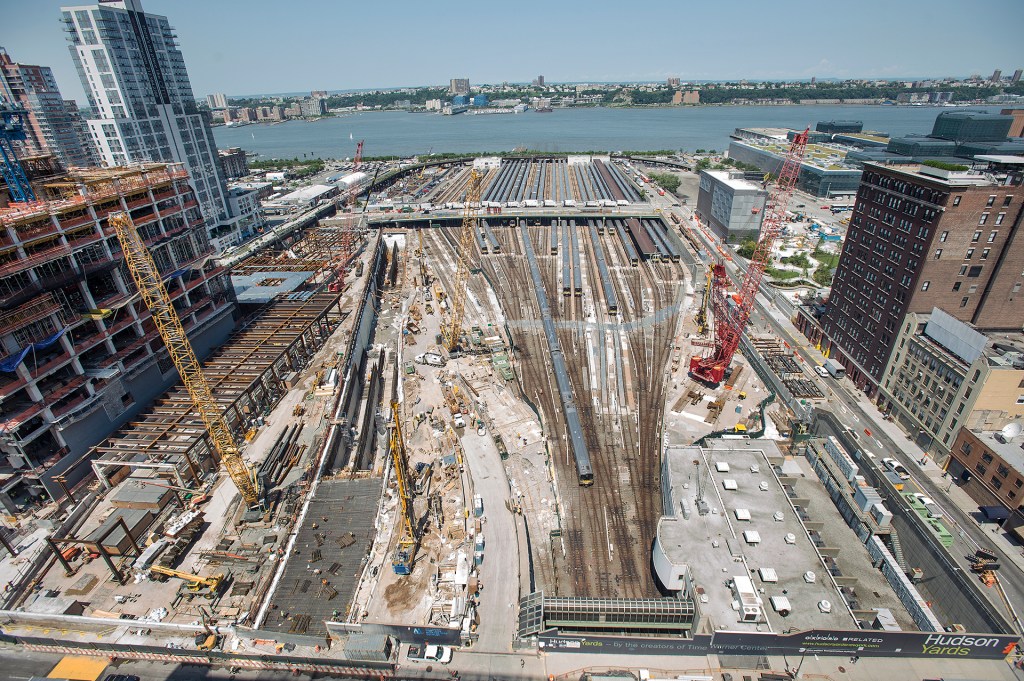
Hudson River tunnel capacity: the single biggest choke point

New York–New Jersey rail capacity (and resilience) hinges on adding and modernizing tunnel capacity under the Hudson River. This is not just a New York project; it is a Northeast economy project. In reliability terms, it’s the difference between a resilient network and a network where one aging asset can trigger region-wide disruption.
Baltimore tunnel replacement: speed + resilience

Baltimore’s long-standing tunnel constraints are another classic “small geography, huge impact” problem. Tunnel replacement and alignment improvements are the kind of infrastructure that riders don’t celebrate—but that quietly make the timetable trustworthy.

What these projects really do: they don’t just shave minutes. They reduce cascading delays—turning rail from “sometimes great” into “predictably reliable,” which is what converts car and short-haul air demand.


State corridors: the quiet winners (Midwest, Southeast, Virginia)

If the NEC is the flagship, the real volume story is in state-supported corridors: incremental frequency, improved schedules, and better stations—often at modest top speeds (79–110 mph) but with strong door-to-door competitiveness.

Midwest: “more trains” is the killer feature

One of the smartest corridor tactics is simply adding useful frequency on routes where demand already exists. A second daily round trip can change a corridor from “nice idea” to “practical default,” especially for business travel, weekend travel, and students.

Virginia: a blueprint for passenger rail expansion on shared tracks

Virginia has demonstrated a pragmatic model: invest in capacity, negotiate operating realities, and deliver incremental service improvements without waiting for a moonshot high-speed program. It’s not glamorous, but it’s how you build ridership—trip by trip, timetable by timetable.

Southeast Corridor: the Raleigh–Richmond logic

The Raleigh–Richmond market (and broader Southeast corridor) is one of the most strategically logical intercity rail plays in the U.S.: population growth, highway congestion, and short-haul air friction create the conditions where reliable rail can win—if the corridor is treated as a program, not a press release.


Private intercity rail: Brightline (Florida + West)

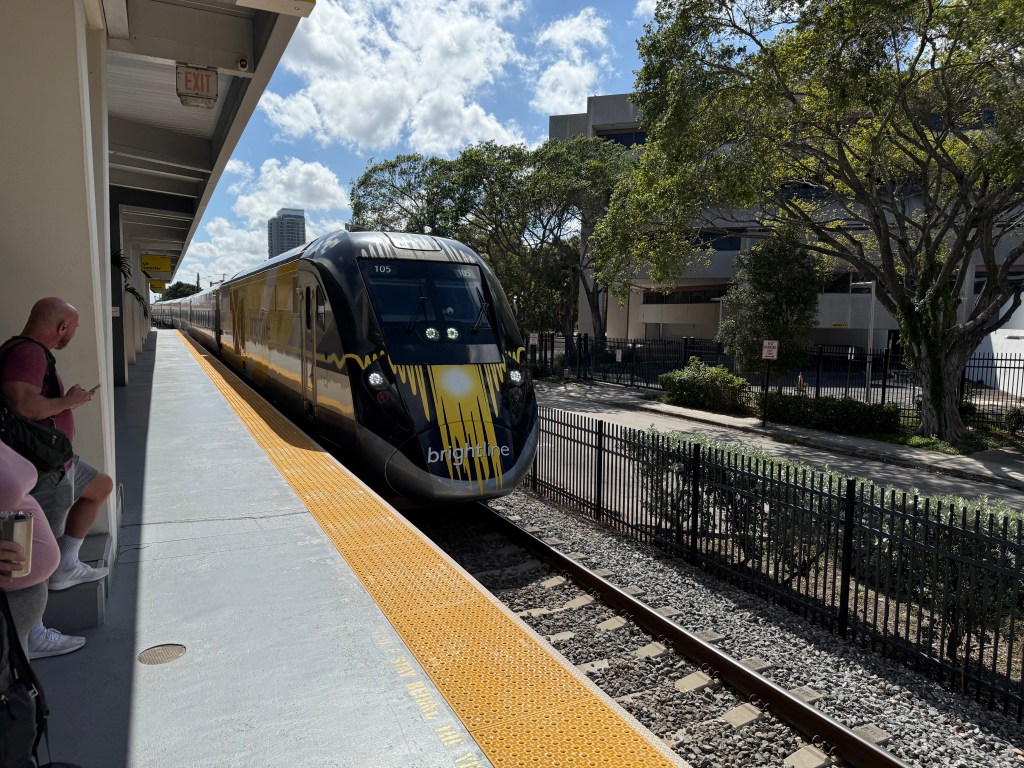
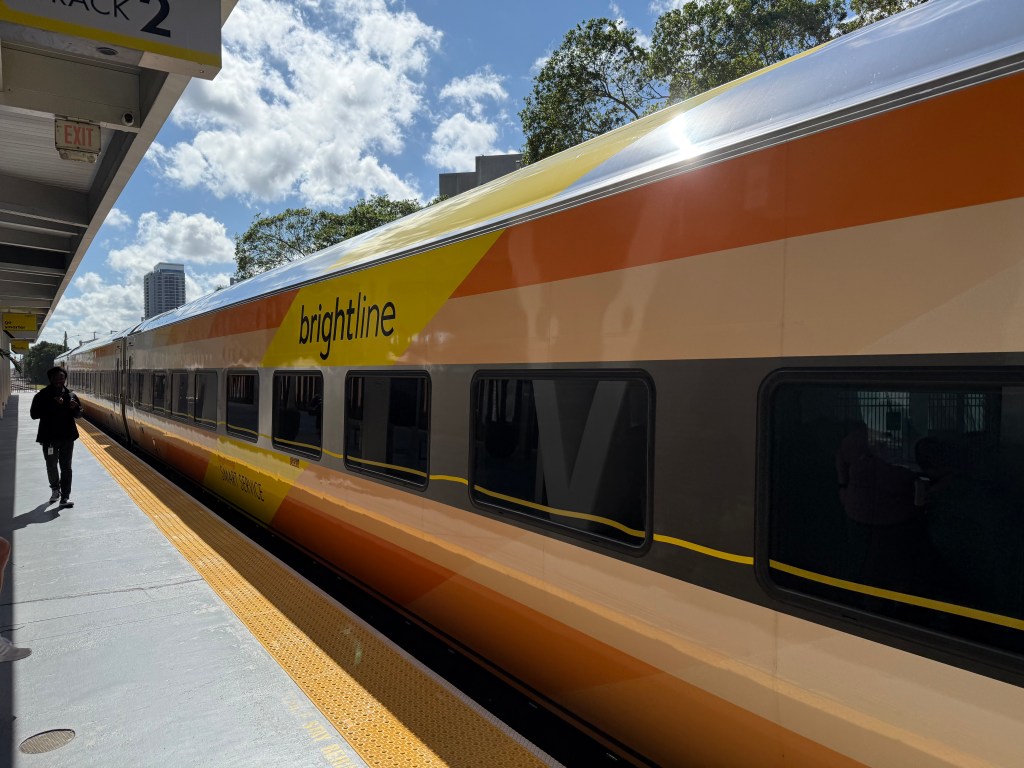
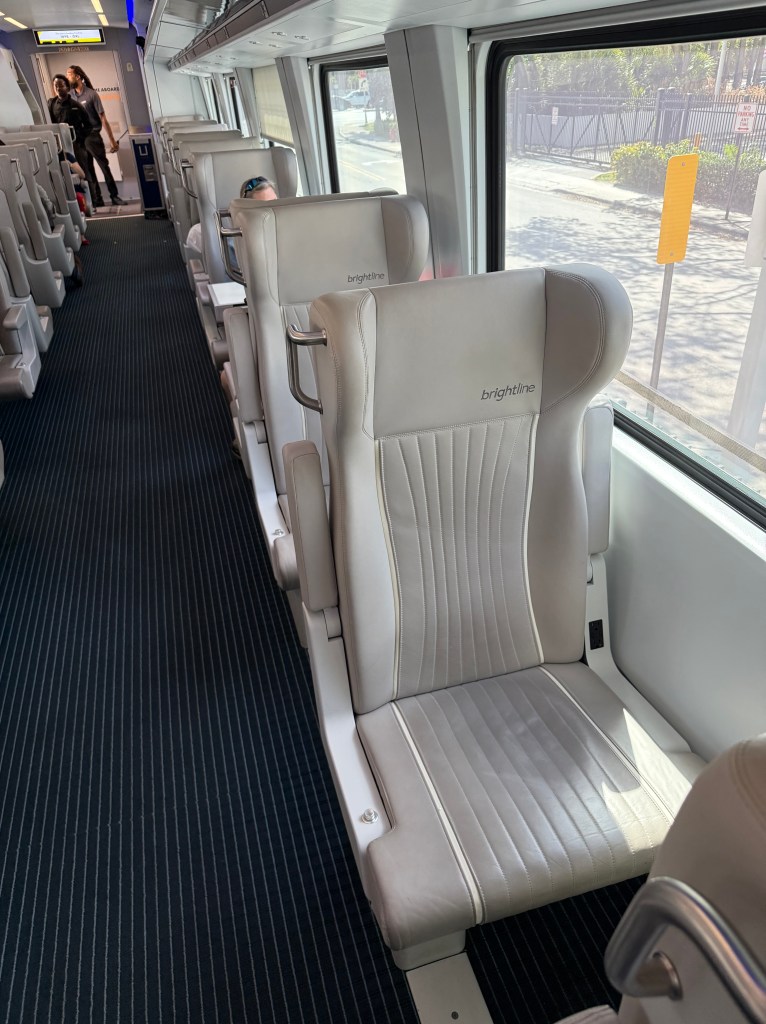
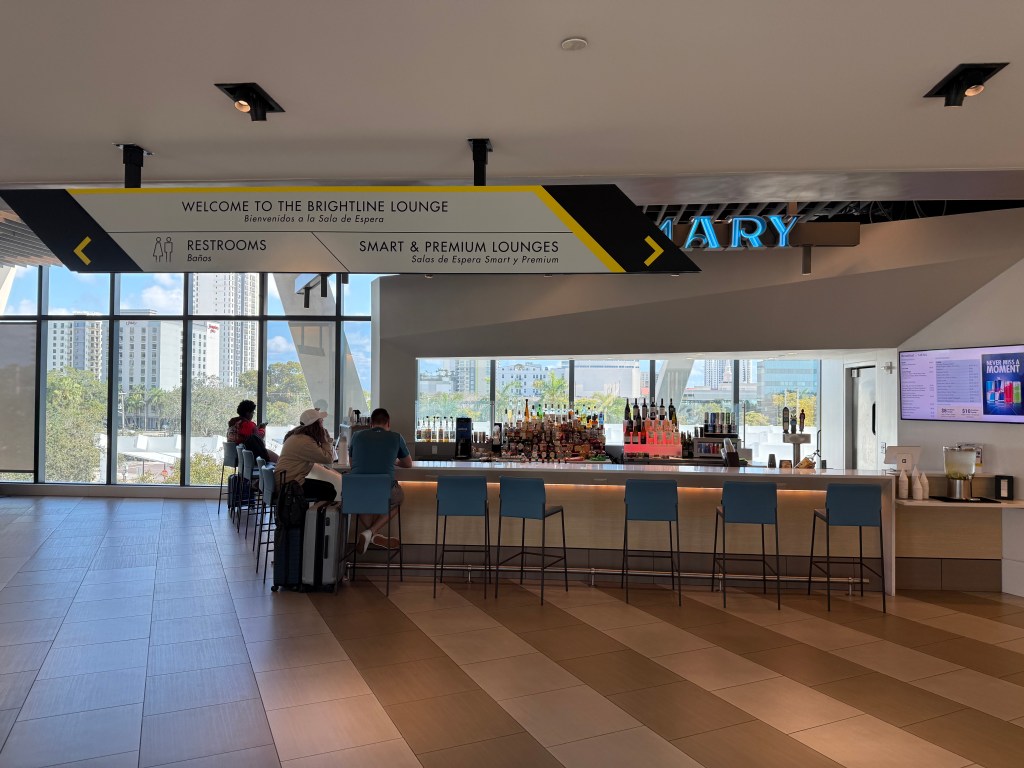
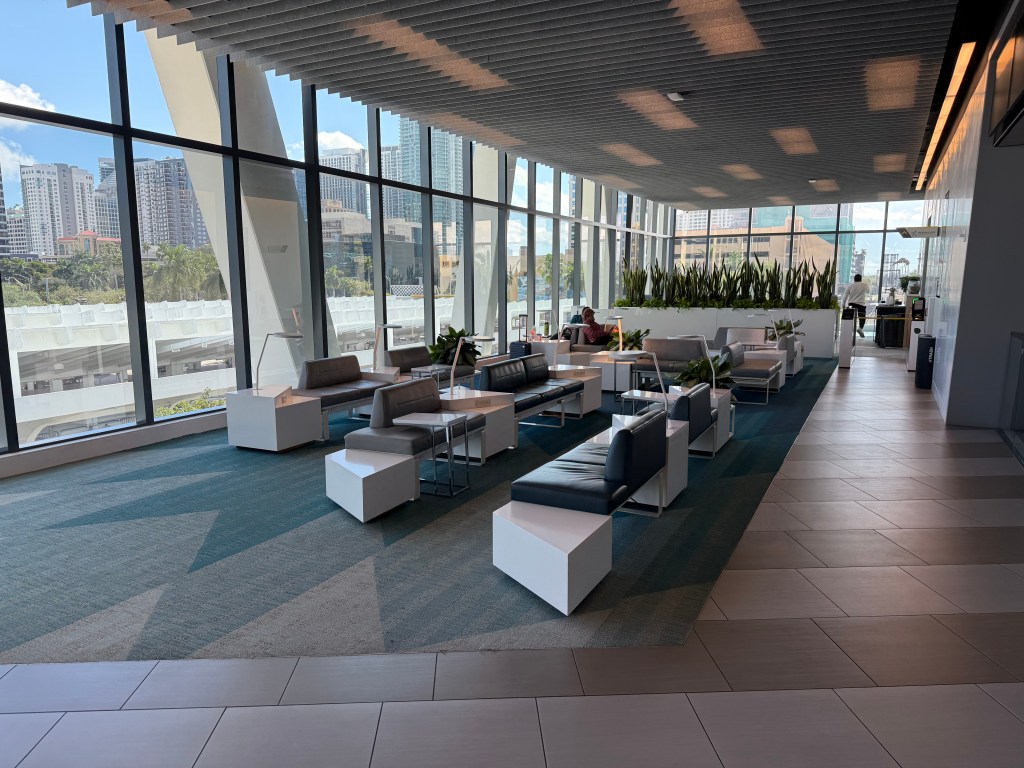
Brightline matters because it proves there is U.S. consumer willingness to adopt modern intercity rail when the product is easy to use and reasonably frequent. It also shows the power of good stations, clear branding, and a travel experience that feels designed rather than inherited.
Florida: Miami–Orlando as a real mode-shift experiment

Florida demonstrates what happens when intercity rail is treated as a mainstream product: clear schedules, clear stations, and a service cadence that makes the train a “default option” rather than a special occasion.

Brightline West: the highest-profile “new-build” intercity project

Brightline West (Las Vegas to Southern California) is the most visible attempt to deliver a new high-speed-ish intercity corridor outside the NEC. If execution holds, it could become a national proof point for new-build delivery—especially on a market where driving is painful and flying is short but inefficient door-to-door.


True high-speed rail: California’s long arc

California’s high-speed rail effort remains the most ambitious U.S. attempt at true HSR scale. Progress is real—but so are structural challenges of cost, governance, right-of-way complexity, and sustained funding. Whether it becomes the backbone of a statewide network or a high-quality “initial segment” depends on the next decade’s delivery discipline.

Regardless of the final form, California is already functioning as a national learning program for American HSR delivery: procurement, labor, environmental clearance, utility relocation, and complex civil works at scale.


Customer experience: what “modern rail” actually means

“Better trains” is not just speed. It’s a bundle of reliability + comfort + accessibility. The new generation of intercity rolling stock is pushing toward a baseline that travelers increasingly consider non-negotiable:

  • Accessible boarding and interiors designed for real mobility needs
  • Modern restrooms that are touchless, spacious, and usable (including family needs)
  • Seat-level power, lighting, and work-friendly tray solutions
  • Clear wayfinding and calmer interior design choices
  • Operational consistency (the same experience on Tuesday as on Saturday)

This is how rail wins back travelers from cars and short-haul flights: not by being “cool,” but by being dependable, comfortable, and human-centered.
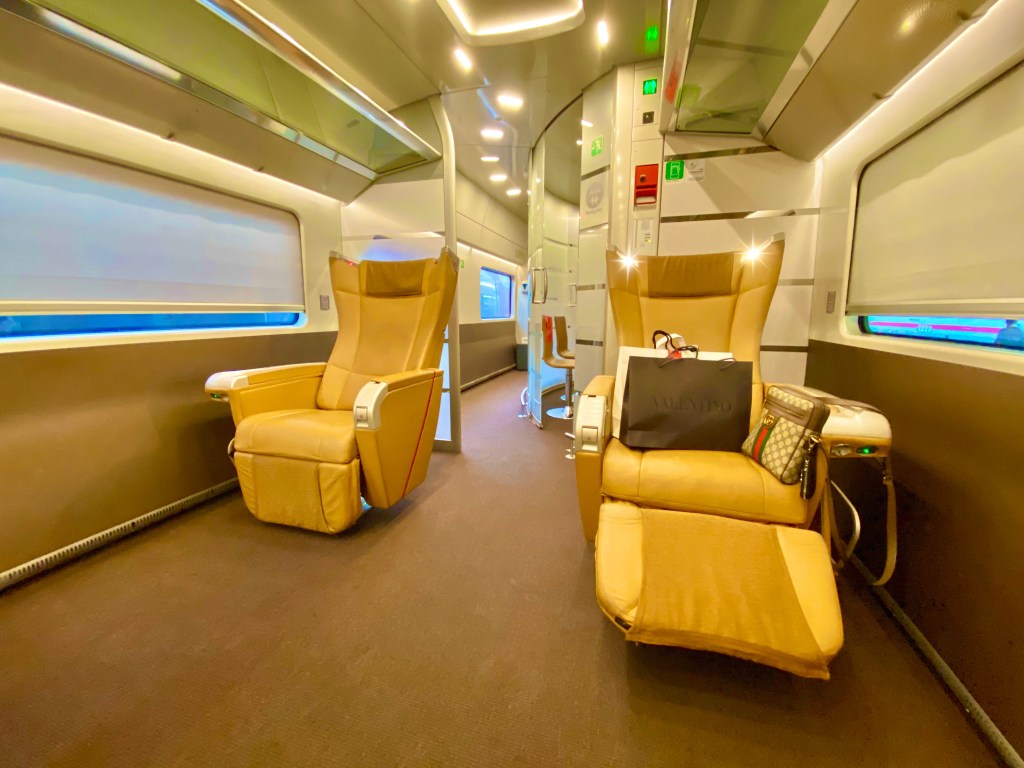
Trenitalia’s Frecciarossa Executive class is probably one of the best high speed product in Europe

What could still derail the rail comeback

This is the part most “rail renaissance” narratives underweight: rail’s constraints are operational and institutional as much as they’re financial.

1) Infrastructure is necessary but not sufficient

Without dispatching priority (or at least enforceable on-time performance regimes) on shared freight corridors, new trains will still sit behind long freights. Track upgrades must come with operating agreements that protect passenger reliability.

2) Maintenance facilities and workforce readiness

New fleets require upgraded maintenance bases, parts supply chains, and technician pipelines. If facilities lag, availability collapses and “new trains” become “stored trains.”

3) Funding continuity and political volatility

Multi-year rail programs need multi-year political commitment. Stop-and-go funding adds cost, delays, and contractor risk premiums—exactly the opposite of what rail needs.

4) Station experience and first/last-mile integration

Intercity rail wins when the station is an asset (central, safe, connected). It loses when stations are peripheral, unpleasant, or disconnected from local mobility.


The 10-year outlook (2026–2036): what a realistic win looks like

Let’s define “win” in a way that matches how transportation systems actually shift behavior.

What success likely looks like by the mid-2030s

  • Northeast Corridor reliability step-change through tunnel and key segment renewals (Hudson + Baltimore region), enabling tighter schedules and higher frequency.
  • Fleet renewal at scale across multiple corridors, making “modern train” a default expectation rather than a novelty.
  • 10–20 corridors upgraded into true “frequency networks” with more daily round trips and better span of service.
  • At least one headline new-build high-speed corridor outside the NEC becoming operational or meaningfully de-risked (Brightline West and/or a California initial segment).
  • More state-led wins where 90–110 mph + frequency beats 2-hour highway slogs.

The reachable prize

Make intercity rail the default choice in a growing set of 200–500 mile markets by combining frequency, reliability, and a modern onboard product—then let demand justify the next wave of upgrades.


Conclusion: a “new era of rail” is real—if the U.S. stays disciplined

The new trains are exciting not because they’re futuristic, but because they’re normal—normal for what intercity rail should feel like in 2026.

The next decade is where the U.S. either turns today’s funding moment into durable corridor systems—or repeats the historical cycle of big announcements, partial delivery, and degraded assets.

My take: the ingredients are finally on the table. The winners will be the corridors that combine (1) capital discipline, (2) operating agreements, (3) service frequency, and (4) customer experience that people actually want to repeat.
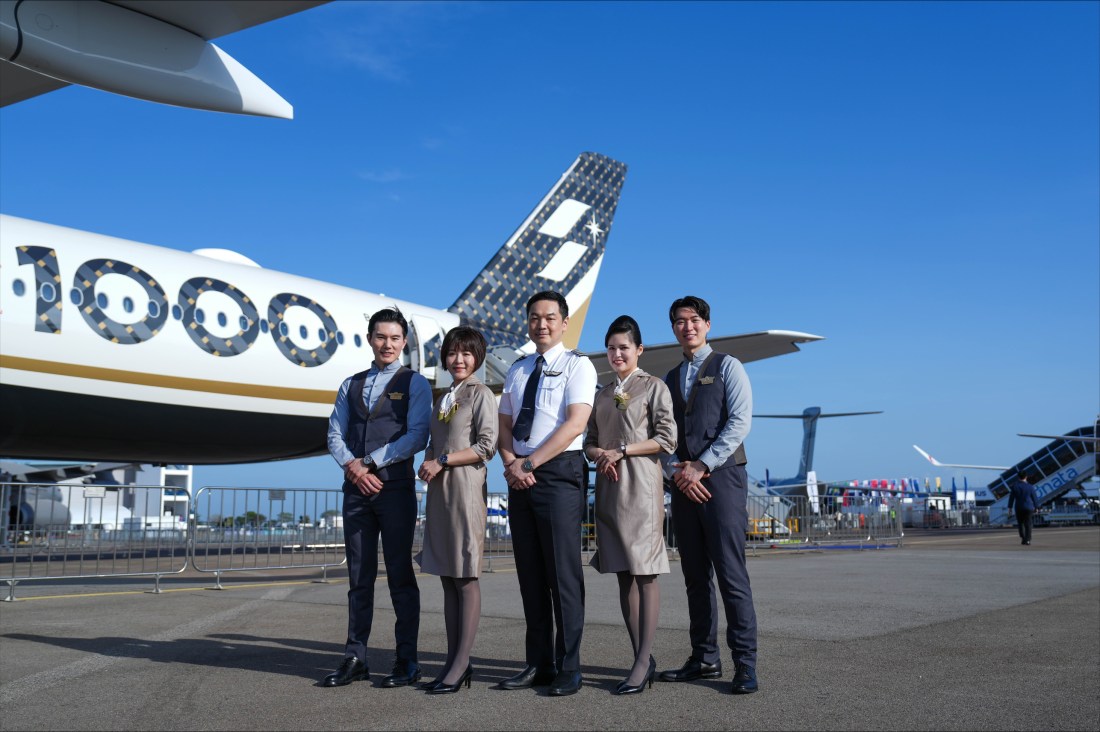

STARLUX Airlines: Genesis, Strategy, and the A350-1000 Moment That Changes the Game

In just a few years, STARLUX Airlines has moved from “bold startup” to a carrier with a credible long-haul blueprint. The moment that crystallizes this shift is the arrival—and global debut—of Taiwan’s first Airbus A350-1000, a flagship designed to unlock network range, premium monetization, and scale economics without abandoning the brand’s boutique DNA.

This article is a strategic deep dive into: (1) STARLUX’s genesis and positioning, (2) why an all-Airbus fleet is not just a procurement choice but a business model, (3) what the A350-1000 enables (and what it does not), and (4) how the airline’s next expansion wave could play out across North America and Europe.


1) The STARLUX origin story: a premium airline built “in reverse”

Most airlines either start with volume and later layer premium, or they start premium but remain boutique due to limited scale economics. STARLUX is trying something rarer: building a premium brand from day one, while designing the operating model to scale into long-haul relevance.

Founded by aviation executive and trained pilot Chang Kuo-wei, STARLUX launched operations in 2020 as Taiwan’s newest full-service airline, entering a market already served by strong incumbents.

That makes the strategic problem less about “how to fly planes” and more about “how to create a differentiated premium proposition from a hub that already has established competitors.” STARLUX’s bet is that a curated product, paired with modern fleet economics and a connective hub logic in Taipei, can carve a sustainable niche—especially on long-haul routes where premium demand and brand perception carry disproportionate yield impact.

1.1 Premium as a system, not a cabin

STARLUX treats premium not as an isolated business-class seat, but as an end-to-end system: cabin design language, service choreography, consistent hardware, and a “luxury-forward” brand signature. On long-haul aircraft, it uses a four-cabin configuration—including a small First Class—signaling an intent to compete at the top end rather than “premium-ish.”

That approach is expensive if your network is thin and your fleet is fragmented. Which leads to the second foundational choice: fleet strategy.


2) The all-Airbus fleet strategy: commonality as the hidden growth engine

STARLUX has built an all-Airbus fleet across narrowbody and widebody families and reinforced this approach with additional orders across the A330neo and A350 families, including freighter capacity via the A350F.

To many observers, “all-Airbus” can sound like brand preference. Strategically, it is closer to an operating model: cockpit commonality, training pipelines, maintenance and spares rationalization, vendor ecosystem simplification, and more predictable operational performance as you grow.

2.1 Why commonality matters more for a young airline

Legacy carriers often carry fleet complexity as historical baggage. Young airlines can build a clean fleet architecture that allows them to grow without exploding their fixed-cost base.

When an airline adds a new aircraft type, it doesn’t just buy airframes; it buys complexity: additional crew qualification paths, simulator capacity, parts inventories, maintenance programs, and reliability learning curves. Commonality reduces the “organizational drag” of growth—especially important when you are simultaneously building network breadth, brand, and operational maturity.

This is why the A350-1000 is not merely “a bigger A350.” It is a scale step within the same family—meaning STARLUX gets capacity and performance without resetting the operational playbook.


3) The A350-1000 moment: Taiwan’s first, and STARLUX’s flagship pivot

In early 2026, STARLUX took delivery of its first A350-1000—Taiwan’s first of the type—handed over in Toulouse and flown nonstop to Taipei. Shortly after, the airline showcased the aircraft at the Singapore Airshow before entry into commercial service, positioning the jet not only as a network tool but as a brand statement on an international stage.

3.1 The aircraft configuration tells you the strategy

STARLUX’s A350-1000 is configured as a four-class, 350-seat aircraft: 4 First Class suites, 40 Business Class seats, 36 Premium Economy, and 270 Economy.

This split matters:

  • It preserves premium density (First + Business + Premium Economy) rather than maximizing total seats—consistent with a yield-first model.
  • It creates monetization ladders that are critical for a hub-and-spoke connector: upgrades, corporate contracts, premium leisure, and high-value redemption flows.
  • It increases payload-range flexibility for long sectors while keeping unit costs competitive against other premium-oriented widebodies.

3.2 Range and economics: what the A350-1000 unlocks

Public materials emphasize a near-9,700-mile range (15,600 km), Rolls-Royce Trent XWB engines, and efficiency gains (fuel burn, noise, emissions). Strategically, this enables three things:

  1. Longer nonstop reach from Taipei with fewer compromises on payload, expanding feasible route options and seasonal resilience.
  2. Better unit costs at premium-friendly capacity—the airline can grow supply without a pure “volume bet.”
  3. Brand consistency at scale—a flagship aircraft type becomes a rolling showroom for premium design, which matters disproportionately for newer brands building global awareness.

4) The network logic: Taipei as a connector hub (and why the U.S. matters first)

STARLUX’s visible network messaging centers on: easy transfers in Taipei and a growing North American footprint. The U.S. growth phase is the first big test of the long-haul model because transpacific flying is where aircraft economics and premium monetization collide.

4.1 The competitive reality: strong incumbents and a mature hub

Taipei is not an empty playing field. It is a mature aviation market with established operators. STARLUX cannot win by being simply “another carrier with decent service.” It needs either:

  • Product differentiation that pulls premium share, and/or
  • Network convenience (schedules, connections, frequency) that creates habit and corporate relevance.

The A350-1000 primarily supports the second, while reinforcing the first.

4.2 Why the A350-1000 fits the U.S. growth phase

  • Stage lengths are long enough that fuel efficiency and reliability become major profitability determinants.
  • Premium cabins become materially important: the difference between “good demand” and “great economics” often sits in Business Class and Premium Economy performance.
  • Operational resilience matters: irregular operations harm a young premium brand more than an established one.

5) The brand layer: turning aircraft delivery into a global visibility strategy

STARLUX has been deliberate at turning fleet events into brand events. Showcasing the A350-1000 at a major international airshow before commercial entry is a signal to multiple audiences at once: passengers, industry partners, suppliers, and future talent.

The airline has also invested in cultural branding through the “AIRSORAYAMA” collaboration with Japanese artist Hajime Sorayama, designed to transform two A350-1000 aircraft into flying art pieces scheduled to enter service in 2026.

This is not just marketing. It’s a strategic response to a real constraint: a young airline must accelerate awareness and premium credibility faster than network scale naturally allows.


6) Fleet roadmap: A350-1000s, A330neos, and the cargo pivot

STARLUX’s broader fleet plan signals ambition beyond passenger growth. The A330neo supports flexible medium-to-long-haul scaling; the A350-1000 is the long-haul flagship platform; and the A350F order signals a serious cargo thesis connected to Taiwan’s role in global logistics flows.

6.1 Why cargo matters (even for a “luxury” airline)

  • It diversifies revenue away from passenger cyclicality.
  • It can improve long-haul route economics through belly + freighter optimization.
  • It leverages Taiwan’s geography and logistics ecosystem.

7) The A350-1000 in practice: where STARLUX can deploy it (and why)

Public communications link the A350-1000 to North American and European expansion ambitions, but the most useful way to assess deployment is scenario-based, rooted in constraints and advantages.

Likely deployment patterns (scenario-based)

Scenario A: Upgauge on existing U.S. trunk routes.
Replace or complement A350-900 flying on top routes to add capacity and premium seats without adding new city complexity.

Scenario B: Unlock new long-range markets with payload resilience.
Use the aircraft’s range/performance to make certain long sectors more feasible year-round.

Scenario C: The European “credibility route.”
A first European destination can be as much about brand signal as economics—especially for a young carrier establishing global premium relevance.


8) Competitive differentiation: what STARLUX gets right—and where the risks are

8.1 What looks structurally strong

  • Coherent brand + hardware strategy: premium positioning is consistent across the customer journey.
  • Fleet architecture designed for scale: commonality reduces friction as the airline grows.
  • Hub logic with international relevance: Taipei can play connector across North America and Asia when schedules and reliability are right.

8.2 Strategic risks to watch

  • Premium monetization discipline: a four-cabin layout is a statement, but it also requires careful revenue management and corporate traction.
  • Network depth vs. brand promise: premium brands are judged harshly when irregular operations occur, especially on long-haul.
  • Competitive response: incumbents can respond with frequency, loyalty levers, and corporate deals that are hard for a young airline to match quickly.

9) Why the Singapore Airshow debut is strategically smart

Displaying the A350-1000 at the Singapore Airshow before commercial entry is a “visibility stacking” move: it compresses the timeline for global awareness, reinforces premium credibility, and positions STARLUX as a serious long-haul player—not merely a regional newcomer.


10) What comes next: STARLUX’s likely extension path (2026–2031)

Based on publicly visible fleet and strategy signals, STARLUX’s next chapter is defined by three expansions:

  • Passenger long-haul growth: increased North America depth and selective new markets as additional widebodies arrive.
  • A350-1000 scale-up: using the flagship platform to grow capacity while maintaining premium positioning.
  • Cargo build-out: maturing a dedicated freight strategy as a margin and resilience lever.

Conclusion: the A350-1000 is the hinge between boutique and contender

STARLUX’s story is not “a new airline bought a new airplane.” It’s closer to: a young premium carrier is using fleet architecture and flagship deployment to compress the timeline from boutique launch to global long-haul relevance.

The A350-1000 matters because it is simultaneously:

  • a capacity and performance tool for long-haul economics,
  • a brand amplifier that reinforces premium credibility, and
  • a scalable step inside an all-Airbus operating model.

If STARLUX executes well—route selection, schedule reliability, premium revenue discipline—this fleet move could mark the point where the airline stops being a curiosity and becomes a true competitive force across the Pacific (and eventually beyond).


When Brand Standards Collide with Franchise Autonomy: Lessons from Hilton’s Minneapolis Controversy

On January 6, 2026, Hilton Worldwide Holdings made headlines when it removed a Hampton Inn franchise near Minneapolis from its reservation system after the property allegedly refused to honor room reservations made for Immigration and Customs Enforcement (ICE) agents. Hilton stated that the hotel’s actions were inconsistent with its brand values and standards, emphasizing that the property was independently owned and operated.

Beyond the political reactions the story triggered, this episode exposes a structural challenge in the hospitality industry: how global brands enforce standards across franchised properties while preserving franchisee autonomy.

Continue reading “When Brand Standards Collide with Franchise Autonomy: Lessons from Hilton’s Minneapolis Controversy”

Airbus in 2025 vs Boeing: Deliveries, Disruptions, and What It Means for 2026

2025 was a pivotal year for the commercial aerospace duopoly. After years of supply-chain turbulence, program delays, and evolving airline demand, both Airbus and Boeing made progress—but not at the same pace, and not with the same constraints.

In early January 2026, reporting indicated Airbus beat its revised 2025 delivery goal, landing at roughly 793 aircraft delivered versus a target of 790. That achievement matters because it signals industrial execution in a year where “just delivering” remained the hardest metric in aviation manufacturing. (Reuters)


The Scoreboard: Airbus Delivered (Again). Boeing Recovered (Still).

Airbus entered 2025 with strong backlog demand and a clear narrowbody advantage thanks to the A320neo family. Even after adjusting expectations, Airbus still closed the year slightly above its revised delivery plan. (Reuters)

Boeing, meanwhile, continued a multi-year climb back toward stable output. The narrative in 2025 wasn’t “Boeing is back” so much as “Boeing is improving, but the system is still fragile”—with delivery performance influenced by factory stability, program maturity, and regulatory scrutiny.

The core takeaway: Airbus won the year on deliveries, while Boeing’s story is best described as a recovery curve—one that looks more credible than it did a year earlier, but still constrained by execution realities.


Airbus in 2025: Strong Finish, Despite Supply-Chain Drag

Delivering aircraft is a “last-mile” game: everything must align—engines, avionics, cabins, interiors, paperwork, acceptance flights, customer readiness. When Airbus exceeded its revised target, it demonstrated an ability to coordinate that last mile at scale.

Why Airbus revised its goal

Airbus had to adjust its 2025 delivery ambition due to supply-chain issues, including disruptions tied to a key supplier impacting production flow. In a high-rate environment, even localized bottlenecks can cascade into delivery timing. (Reuters)

What Airbus did well

  • Protected narrowbody throughput: the A320neo family remains the “cash engine” of global aviation.
  • Prioritized deliverability: focusing not only on building planes, but handing them over cleanly.
  • Maintained backlog confidence: airlines plan fleets years ahead; reliability drives order resilience.

If you’re an airline CFO or fleet planner, Airbus’s 2025 result is reassuring: it’s not perfection, but it’s proof of execution at scale in a year where many industrial systems still struggle to normalize.


Boeing in 2025: Progress, But Program and Production Headwinds Persist

Boeing’s 2025 was marked by continued operational improvement, but with constraints that kept the company from matching Airbus’s delivery momentum. The underlying issue isn’t demand—airlines want airplanes—it’s execution capacity and the stability of the production system.

Recent issues shaping Boeing’s year

  • Production stability and quality focus: Boeing has operated under intensified oversight and internal quality recalibration, which tends to reduce short-term output while improving long-term reliability.
  • Program delays: large programs like the 777X have faced a prolonged certification and delivery timeline, which reshapes widebody competitiveness and delivery mix. (Boeing)

The strategic lens: Boeing’s 2025 performance reflects a company prioritizing structural fixes—important, necessary, and expensive—over pure volume acceleration.


Deliveries vs Orders: Two Different Competitive Battles

In aerospace, “winning” depends on which metric you’re using:

  • Deliveries = operational excellence, cash conversion, customer confidence.
  • Orders = future demand strength, product-market fit, long-term competitiveness.

Airbus’s 2025 delivery performance reinforces its reputation as the current industrial pace-setter—especially in narrowbodies, where airline schedules and profitability live or die on fleet availability.

Boeing’s continued recovery matters because the market is too large—and airline demand too persistent—for a single manufacturer to carry the entire load. A healthier Boeing is good for airline bargaining power, capacity growth, and long-term innovation.


What 2025 Signals for 2026

Airbus: execution with supply-chain risk still in the system

Airbus enters 2026 with momentum—proof it can hit a revised goal, strong demand for its core product families, and an industry that still needs more aircraft than the system is delivering.

Key watch items:

  • Supplier stability and ramp-up resilience
  • Engine availability and delivery cadence
  • Ability to scale without quality dilution

Boeing: recovery credibility depends on consistency

Boeing’s 2026 storyline hinges on whether improvements become repeatable. A stable production system—one that delivers predictably—will do more for Boeing’s competitiveness than any single quarter of “hero deliveries.”

Key watch items:

  • Quality metrics and rework rates
  • Certification timelines for delayed programs
  • Delivery predictability for airline planning cycles

Conclusion

Airbus’s ability to exceed its revised 2025 delivery goal underscores industrial execution in a year where supply chains still constrained outcomes. Boeing made meaningful progress, but remains in the middle of a longer recovery arc shaped by production stability and program maturity.

The commercial aviation market remains structurally strong—and both manufacturers are essential to meeting global demand. But in 2025, the operational edge clearly sat with Airbus, while the strategic question for 2026 is how quickly Boeing can turn “recovery” into “reliability.”

Read more on delestre.work — and if you’re an airline leader, investor, or aviation enthusiast: what do you think will be the defining constraint in 2026—engines, supply chain, certification, or workforce?