
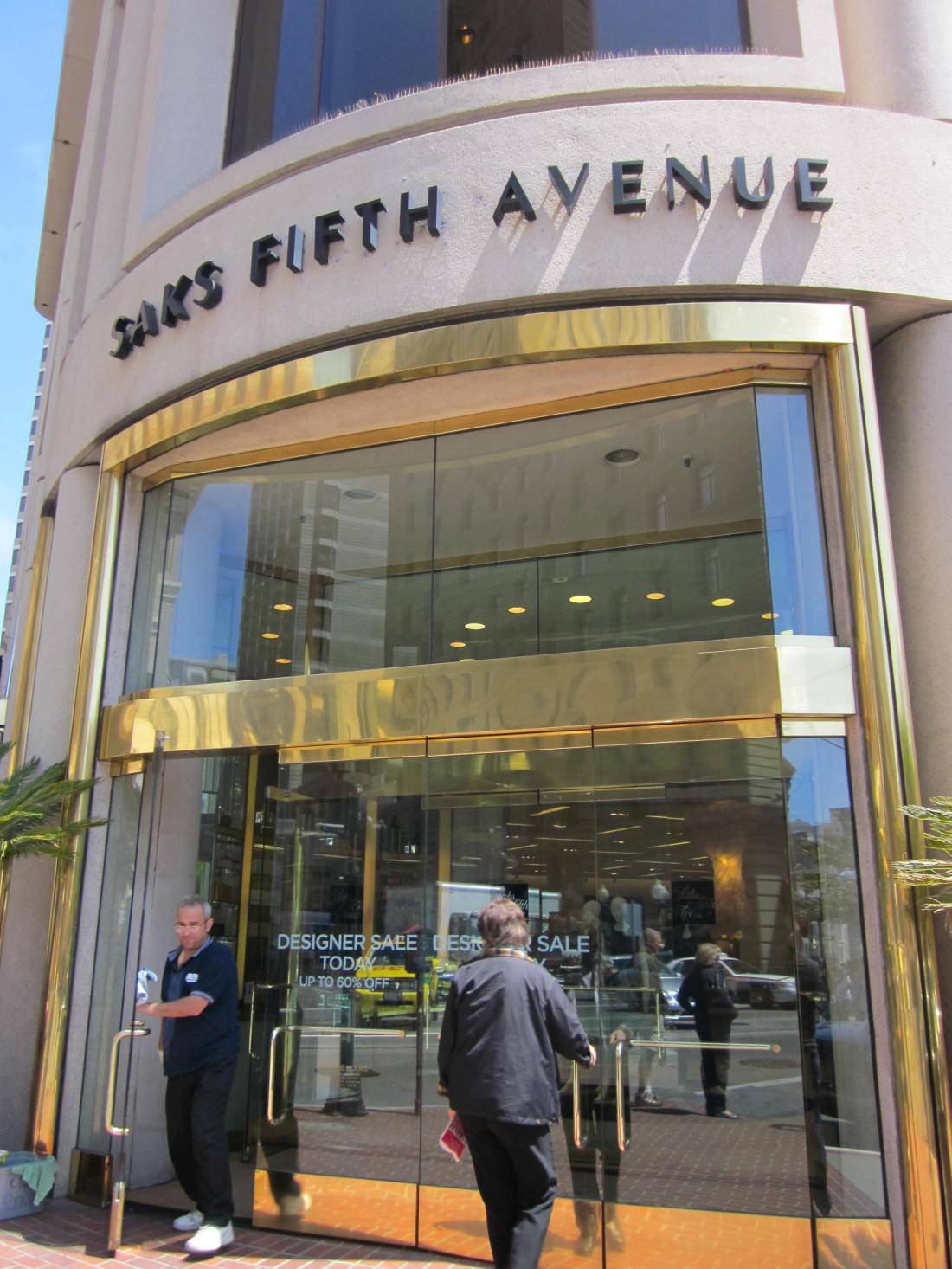
In early 2026, one of the most iconic names in American luxury retail—Saks Global Enterprises—faces not just leadership change, but the very real possibility of a Chapter 11 bankruptcy filing. This moment is more than a headline; it crystallizes deeper structural shifts in luxury retail and what strategic approaches may help the sector navigate a very different competitive and economic reality.
In this article, we break down how the imminent crisis at Saks reflects broader trends in U.S. luxury retail, and then examine strategic responses that leaders must consider if they intend to sustain relevance and profitability in the years ahead.
The Current Situation: Saks Global Under Strain
Saks Global Enterprises—formed in 2024 through the acquisition of Neiman Marcus and the integration of several high-end retail brands including Saks Fifth Avenue, Neiman Marcus, Bergdorf Goodman, and Saks OFF 5TH—was meant to consolidate luxury scale and optimize competitive positioning. Yet just two years later, the organization is reportedly preparing to seek Chapter 11 bankruptcy protection after missing a large interest payment tied to its acquisition debt.
In addition to this financial pressure, the company has undergone a leadership transition. CEO Marc Metrick—long a figure closely associated with Saks’ digital and strategic transformation—stepped down and was replaced by Executive Chairman Richard Baker as CEO, reflecting both the urgency of the situation and a desire to stabilize through experienced leadership continuity.
Beyond the debt issue, Saks Global has faced declining sales, inventory challenges, vendor payment disruptions, and a luxury market that has softened under inflationary pressures and cautious consumer spending.
The situation reverberates far beyond Saks itself. As an anchor in the luxury ecosystem, its struggles are a tangible signal to brands, suppliers, landlords, and even rival retailers that the U.S. luxury retail model must adapt—or risk repeating similar outcomes.
Underlying Trends in Luxury Retail
1. Shifting Consumer Behavior
High net-worth consumers have traditionally insulated luxury brands from broader economic cycles. However, recent data suggests that discretionary luxury spending has cooled as inflation persists and economic confidence wavers. Consumers are increasingly selective, favoring experiences, direct brand interactions, digital convenience, and curated ownership over traditional multi-brand department store formats.
2. The Debt Burden of Scale
The debt leveraged to finance mergers and acquisitions—such as the Neiman Marcus purchase—strains operational flexibility. When revenue growth fails to match debt servicing requirements, even well-established brands can find themselves in financial distress. Saks’ struggle with bond interest payments and refinancing illustrates how quickly leverage can shift from strategic tool to strategic vulnerability.
3. Multi-Brand vs. Single-Brand Dynamics
Single-brand retail models increasingly outperform multi-brand department stores because they can integrate inventory, digital marketing, customer data, and fulfillment under one unified strategy. The multi-brand department store model—once a hallmark of luxury retail—now faces persistent headwinds given changing expectations for personalization and brand direct engagement. Analysts have pointed to shifting consumer patterns where purchases migrate toward brand stores, online channels, and brand-owned digital ecosystems.
4. Vendor and Supply Chain Strains
Reported delays in vendor payments and strained supply chain relationships at Saks Global reflect a breakdown in the value chain that can sharply limit inventory availability and competitive positioning. Inventory shortages amplify consumer frustration, reduce foot traffic, and weaken operational performance—particularly in sectors where product freshness and selection breadth matter.
Strategic Approaches for U.S. Luxury Retail Leaders
The structural challenges outlined above require more than short-term fixes. They call for strategic repositioning, operational transformation, and leadership alignment across functions. Below are several approaches that organizations can adopt to navigate this era of increased uncertainty and complexity.
1. Reinforce the Operating Model Around Experience
Luxury retail must transcend the traditional inventory-led operating model and orient itself around the customer experience as an operating and financial driver. This means unifying digital and physical channels, reducing friction across touchpoints, and investing in human capital that understands high-touch service standards. Experience must become the organizing principle of operations—not a marketing overlay.
2. Build Financial Flexibility Early
Debt structures that compromise agility are a strategic risk. Leaders should explore alternative financing structures that reduce dependency on high-leverage models. Prioritizing cash flow discipline and flexibility can enable faster responses to market shifts. For legacy players, this may involve asset optimization, sale-leaseback arrangements, or selective divestitures designed to unlock capital without eroding brand equity.
3. Embrace Brand Direct Ecosystems
Luxury brands and retailers must deepen direct engagement with consumers through first-party data platforms, loyalty ecosystems, and bespoke services that extend beyond transactions. Integrating e-commerce, personalization, and fulfillment investments into a single ecosystem can create faster learning loops, higher lifetime value, and stronger defensibility in competitive markets.
4. Strategic Portfolio Rationalization
Not all segments or locations contribute equally to strategic objectives. Leaders should conduct rigorous portfolio profitability analyses and prioritize assets (stores, brands, channels) that align with long-term positioning. Rationalization may involve closing underperforming outlets or repositioning them into high-value experiential formats.
The Road Ahead
The prospect of Saks Global filing for Chapter 11 is not just the story of one company—but a signal that the U.S. luxury retail environment is entering a period of transformation. Leaders who recognize the structural shifts—shifting consumer behavior, operational model evolution, financial discipline, and direct brand engagement—will be better positioned to not only survive but thrive.
Luxury retail is far from dead. But its future will be defined by organizations willing to redesign their business models for relevance, resilience, and customer-centric growth in the decade ahead.
For executive perspectives on strategy, transformation, and the future of experience-driven industries, stay tuned to delestre.work.
 Olivier Delestre-Levai